Aromatherapy vs Fragrance: What’s Actually Different
Same scent, same promise of relaxation — completely different logic underneath. Understand the difference, and your next purchase is worth more.
Blended oils, diffuser stones, scented candles, room sprays. Almost every scented product on the market claims it will help you relax and restore yourself. But what actually separates them? The broadest useful line runs between two categories: aromatherapy and fragrance.
The core difference
Aromatherapy
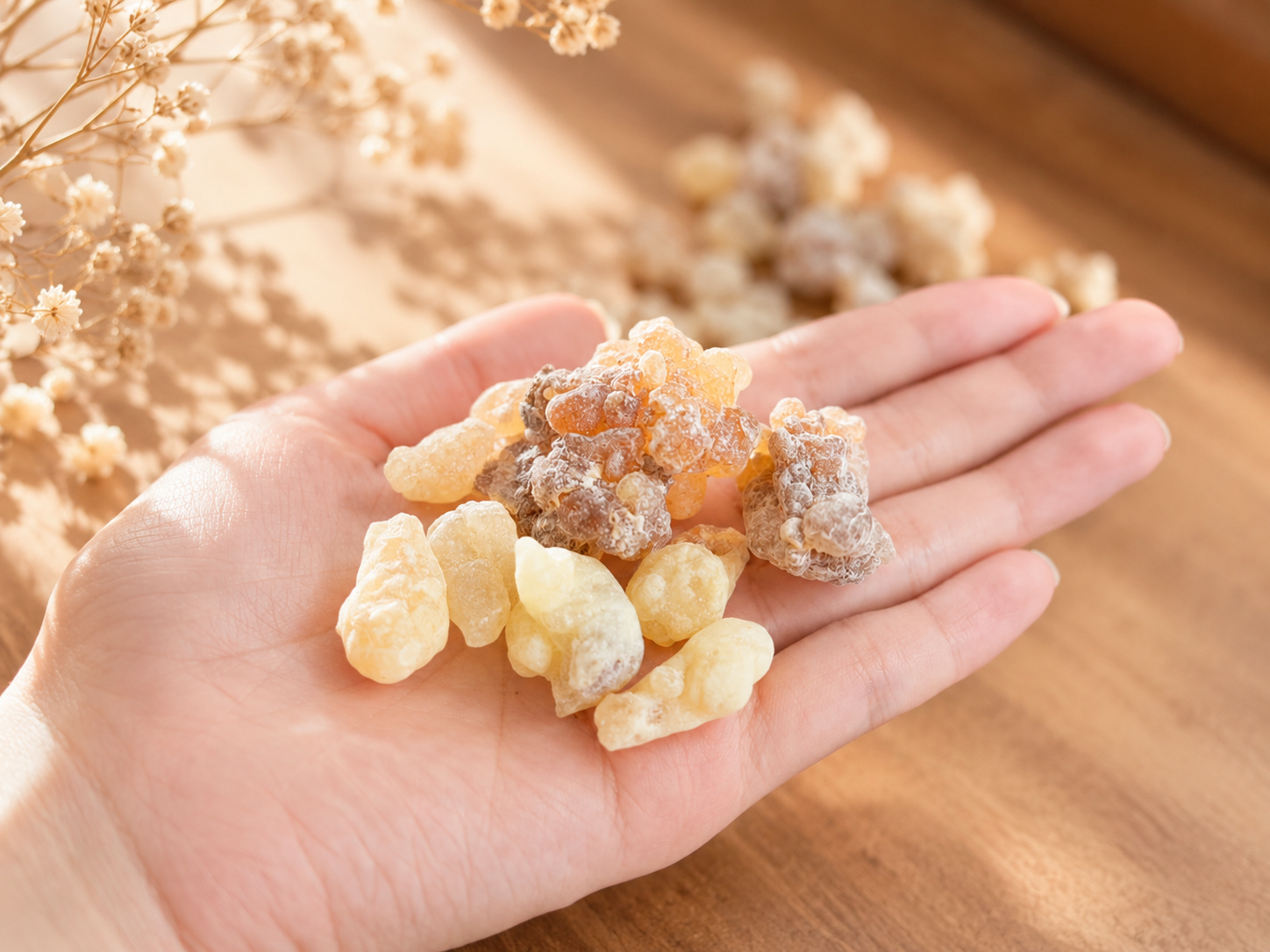
Aromatherapy works from aromatic compounds extracted from plants, concentrated into pure essential oils. The molecules enter the body through diffusion and inhalation, through massage, through bathing — and from there they do their work.
It has a defined logic. Every oil has its composition, its concentration, its methods of use, and reasons behind each of them; oils can also be blended deliberately. It is a systematic complementary natural practice.
Fragrance
Fragrance has one central goal: to smell good. The scent usually comes from synthetic aromatics and manufactured compounds. Its first job is to create atmosphere — and it cannot deliver the effects a genuine essential oil can.
Side by side
Aromatherapy
- Made from natural plant material
- Concerned with composition and how it works
- Has specific goals for how you feel
- Comes with requirements: dosage, dilution, method
- Usually needs some knowledge to use well
- Pure essential oils can cost hundreds of times more than synthetics
Fragrance
- Mostly synthetic, chemically manufactured
- Built around the scent experience
- Aims to create atmosphere and mood
- Low barrier to use, easy to find
- Far cheaper than natural essential oils
Aromatherapy shares a root with Chinese medicine
Both draw from plants.
Eastern medicine grinds the herb into powder or decocts it. The Western approach concentrates the plant’s essence into an oil, applied to the skin or inhaled.
When we talk about the “chemical molecules” in an oil, we do not mean synthetic chemistry. We mean the aromatic molecules the plant itself produces — linalyl acetate, linalool, 1,8-cineole and others. A trained aromatherapist reads that composition, and from it judges what an oil is actually suited to.
An example. We often hear that true lavender helps with sleep. That is because it contains a high proportion of linalyl acetate, an aromatic molecule with a strong calming effect on the nervous system. It is not simply that it “smells relaxing.”
Why do these two keep getting confused?
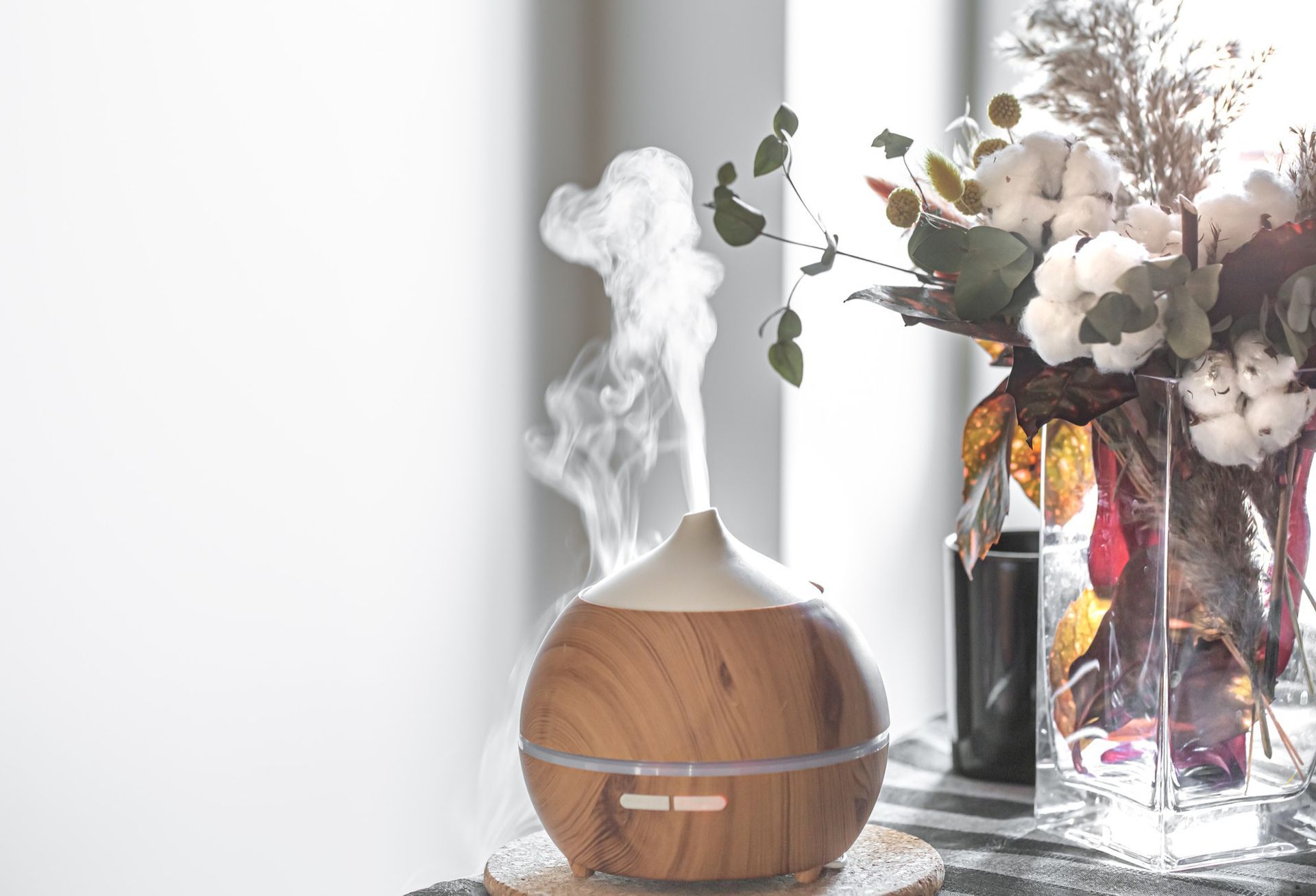
They both have scent. The same diffuser can run pure essential oil (aromatherapy) or a synthetic room scent (a fragrance experience). It is easy to assume they are the same category of thing.
They are both called “essential oil.” One roll-on may hold a therapeutic blend of natural oils. Another may be carrier oil with lavender fragrance added. The market calls both of them — essential oil — although they are fundamentally different products.
They describe themselves in similar language. Because aromatherapy oils come from plants, every single-note oil has a clear botanical name and a Latin binomial. Synthetic scents also take plants as their reference — a bergamot note, for instance — and describe themselves using plant names, which leaves consumers with no way to tell them apart from the description alone.
Many brands blur that line, deliberately or not, borrowing the vocabulary of aromatherapy to describe fragrance products that may contain no real essential oil and have no scientific basis behind the claim. That is not necessarily deception, but it does make it easy for consumers to misjudge what they are buying.
So which should I buy?
It depends what you need. Both have their place; they simply suit different situations.
If what you want is atmosphere — a home that smells good, a bathroom with a sense of ritual, a little more ease beside your desk — a fragrance product is a good fit. You don’t need to study the ingredients. You just need to find a scent you like.
If you have a more specific goal for how you want to feel, want the scent to do something as well as smell good, and care about natural ingredients — then it’s worth learning the basics of aromatherapy, choosing products that genuinely contain essential oil, and paying attention to correct use and dilution.
One small thing to do before you buy: turn the product over and find the ingredients list. If it says Fragrance or Parfum, the scent is synthetic — it’s a fragrance product. If you see a specific botanical Latin name, such as Lavandula angustifolia, you are usually looking at a real essential oil.
You don’t have to pick a side
Aromatherapy and fragrance are not opposed, and neither ranks above the other. Some people prefer aromatherapy, wanting natural scent that also does something for body and mind. Some people light a scented candle and sit inside a smell they love, and feel better for it. Both are good.
What is genuinely worth avoiding is paying aromatherapy prices and receiving a fragrance product — or holding a fragrance product to aromatherapy-level expectations.
Getting this line clear isn’t about becoming fussy. It’s about making every purchase more honest, and more worth it.
見聞隨筆更多文章