Edna Adan Ismail: One Woman Who Rebuilt Somaliland
Why, when Holiaum goes looking for the source of frankincense, we always visit Dr. Edna
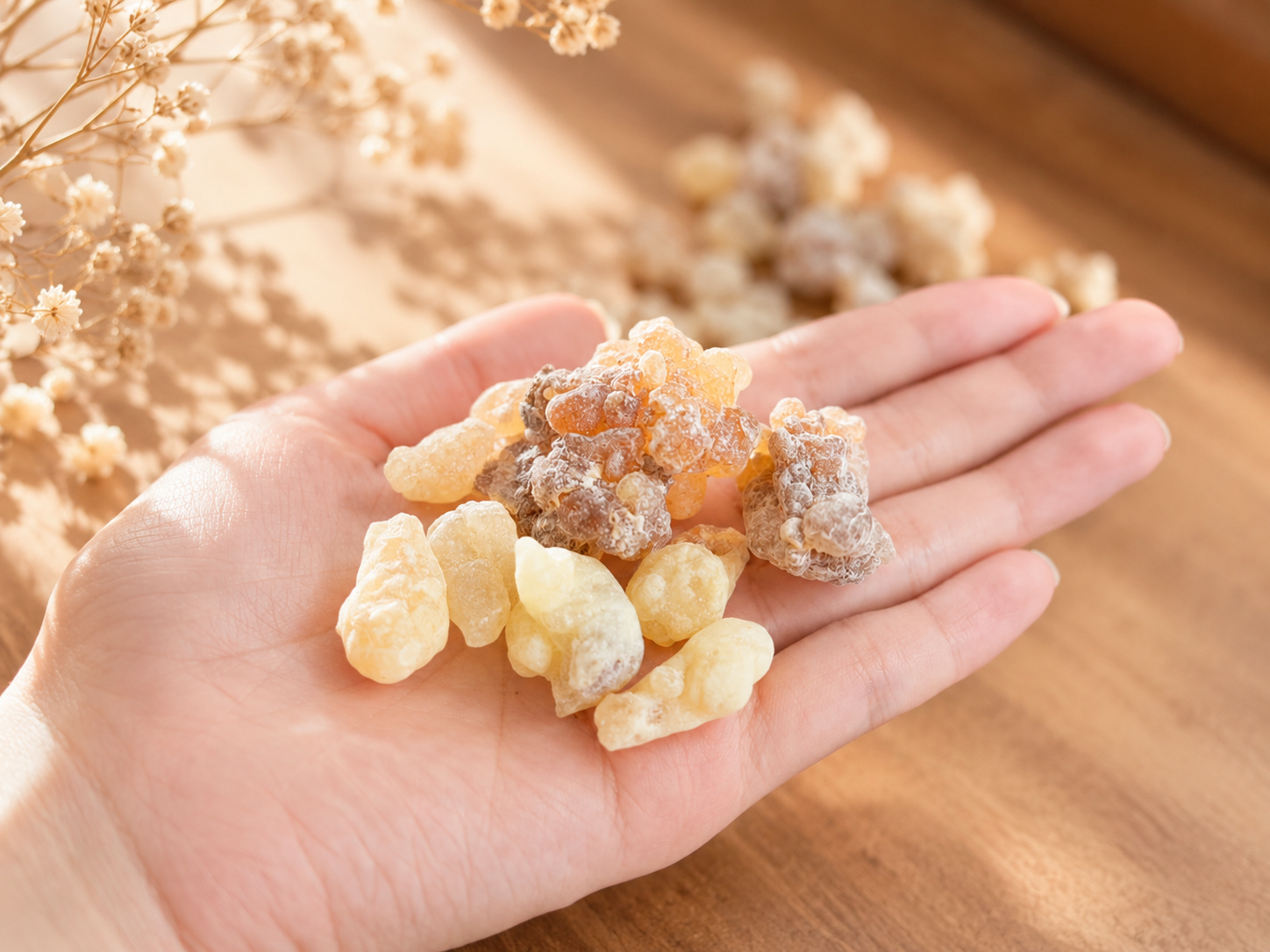
Say Somaliland, and most people think first of its frankincense and myrrh — among the finest in the world. But what actually drew us into this land was never only the plants. It was the people who grow them, and the stories that made the place what it is.
So when we set foot in Somaliland again, to visit the frankincense and myrrh regions ourselves, there was one person I already knew I wanted to see again: Dr. Edna Adan Ismail.
She is one of the most respected public figures in Somaliland, and one of Africa’s most significant advocates for maternal health and women’s rights. She has served as Somaliland’s Foreign Minister, and as the WHO’s representative in Djibouti. She founded the Edna Adan Maternity Hospital and Edna Adan University, and has given her life to maternal and child healthcare, public health, nursing education, and the campaign to end female genital mutilation (FGM). For years she has been known as the Mother of Somaliland, and as Africa’s Mother Teresa.
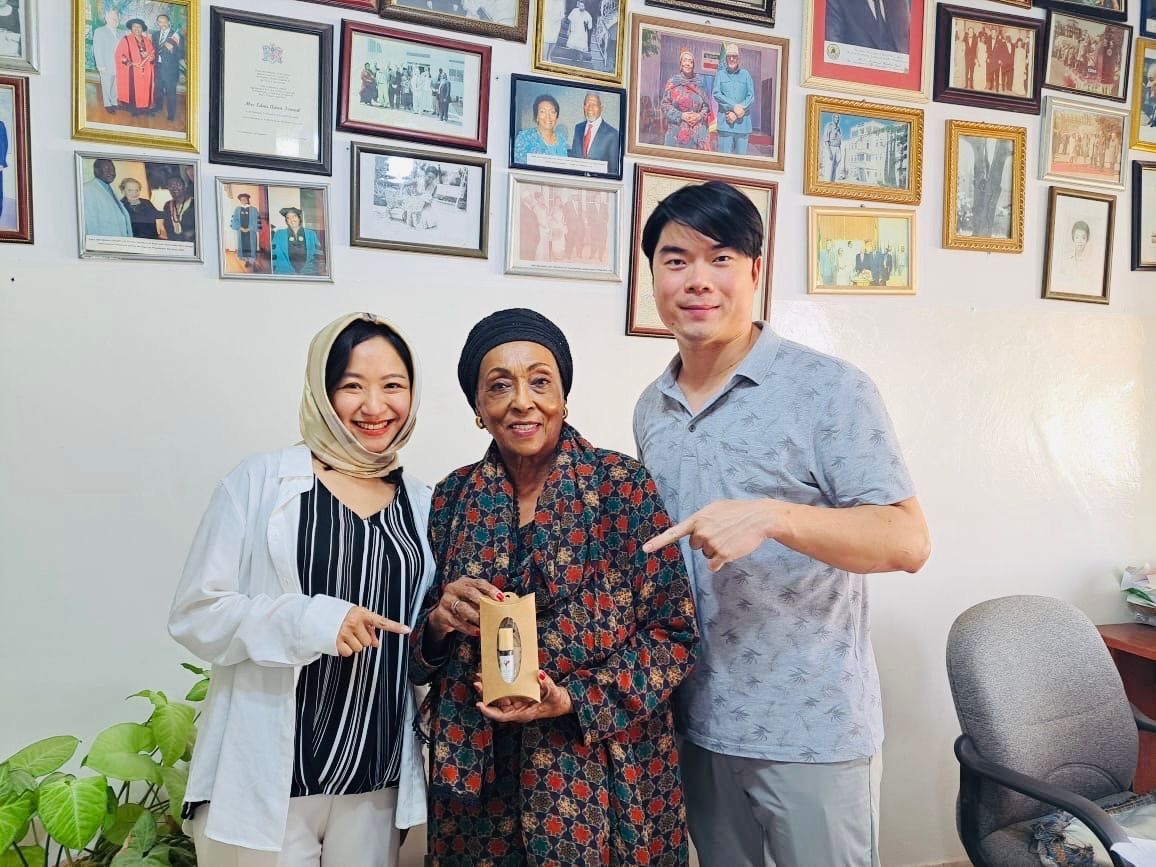
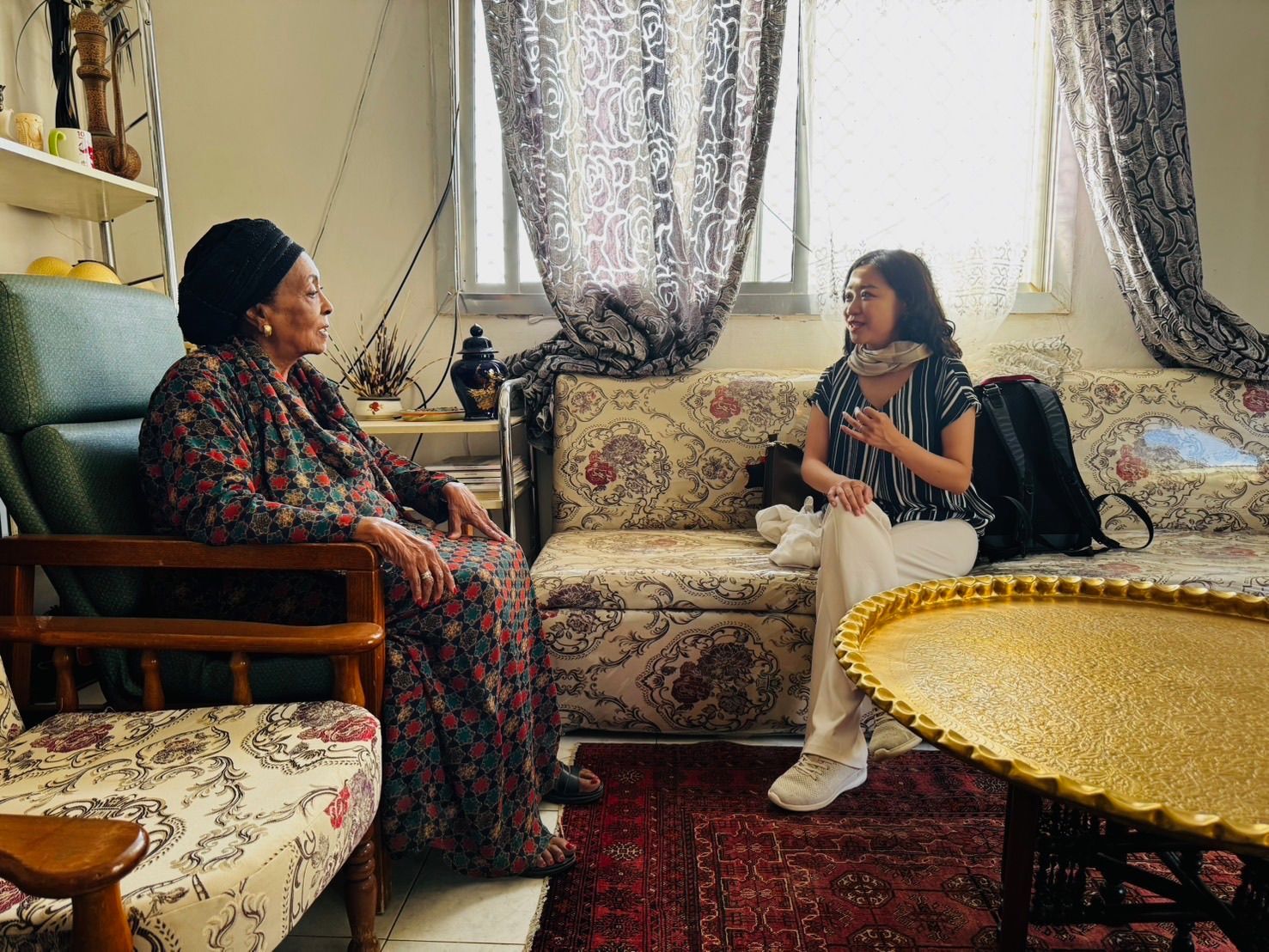
We walked through the hospital she built with her own hands. She invited me to her home for tea, we went grocery shopping together, and she talked me through her life — while I shared what Holiaum believes about plants, about people, and about what makes a place valuable.
What we admire most has never been her titles. It is that for decades she has been doing the same thing: helping more people survive, and survive with dignity.
From the international stage back to a country at war — she chose the hardest road
Dr. Edna was born in Hargeisa in 1937, during the British Somaliland era. In a time when girls were largely shut out of education, her father insisted his daughter be educated. That decision changed her life.
She went on to train as a nurse and midwife in England, becoming the first professionally trained nurse-midwife in Somaliland and among the first Somali women to study in Britain. After returning, she held senior posts in Somalia’s health ministry, then joined the WHO as its representative in Djibouti, spending years on public health, maternal and child health and medical policy, and becoming a leading voice in Africa’s movement against FGM.
Talking about those years working for international organisations, she said to me, laughing:
“Back then, I was working in Europe. After work, what I thought about most was which luxury car to drive and which designer bag to carry.”
She said it with a smile, and with no trace of showing off. She was telling me something: she had once had the kind of life people envy.
Then a war changed everything.
A war made her give up a comfortable life — and changed a country’s fate
Through the 1980s, Somaliland and Somalia fought a war lasting nearly a decade. Around 90% of the buildings in the capital, Hargeisa, were destroyed. Hospitals, schools, water systems and public facilities were almost entirely wrecked, and an already fragile medical system was close to collapse.
When we walked into her office, Dr. Edna pointed to an old photograph on the wall and described what the country looked like after the war.
“At that point, there were eighteen doctors left in all of Somaliland.”
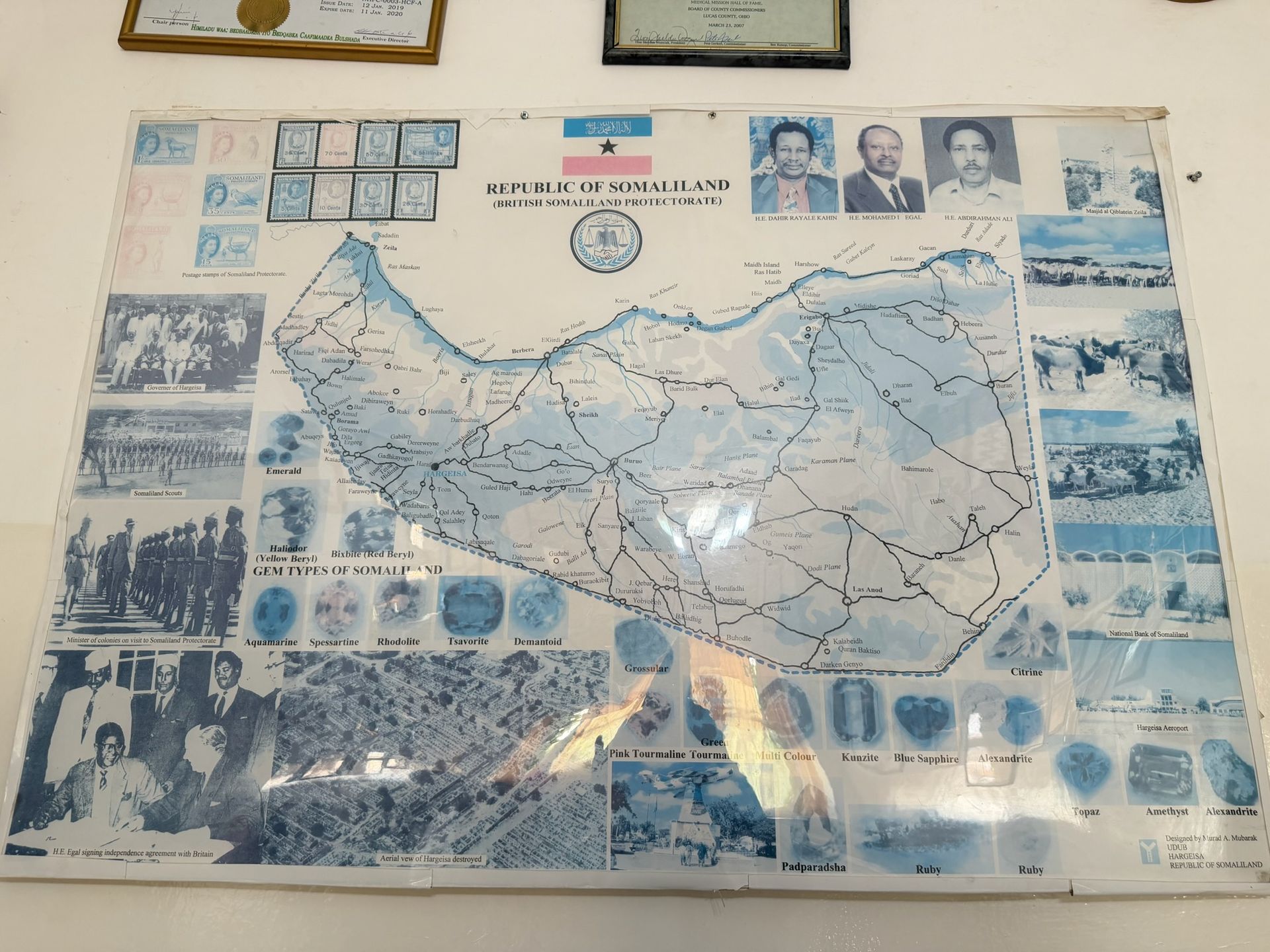
That isn’t a statistic. That is a country that has essentially lost the ability to treat its own people.
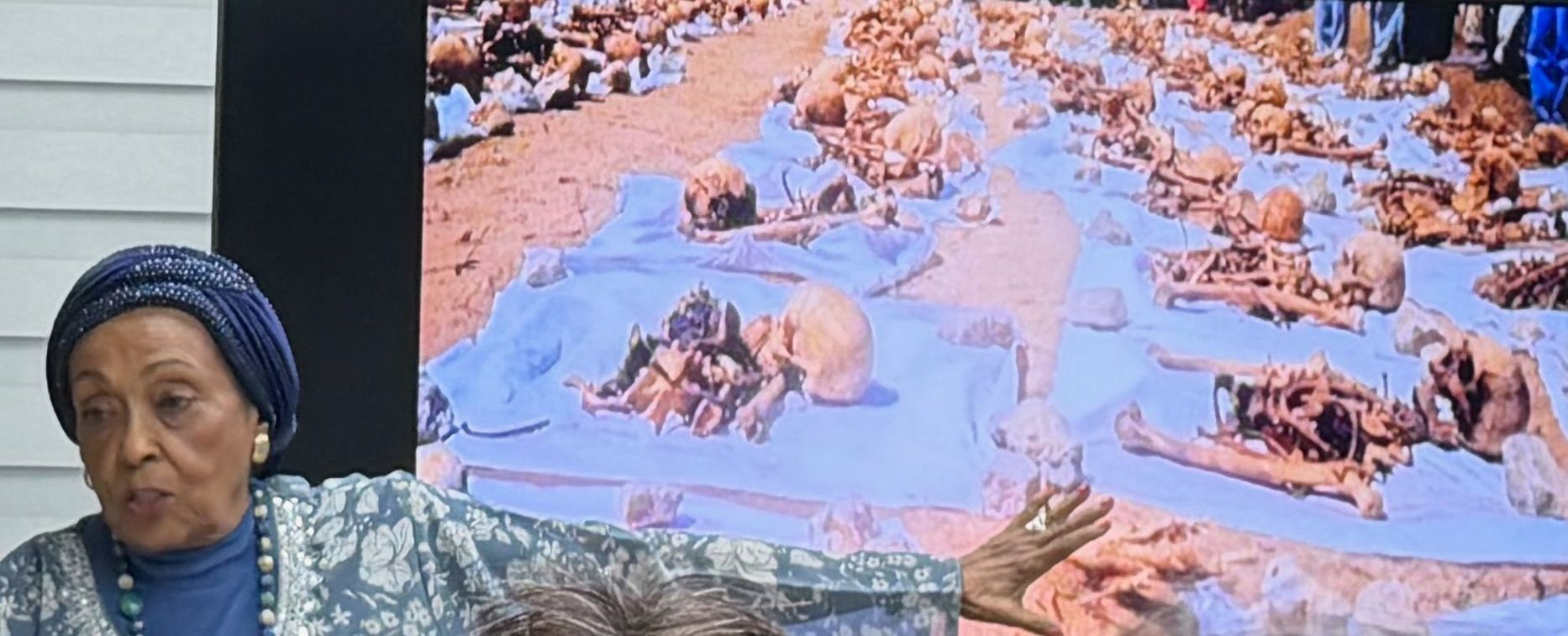
What she felt then, she told me, was shock: how did my own country end up like this?
So she made a decision most people could not understand. She left the WHO, gave up a stable and comfortable life in an international organisation, sold her own property, and went back to a Somaliland where the fighting had only just stopped.
Many people assume she went back to build a hospital. For Dr. Edna, the hospital was never the destination. It was the first step in rebuilding a country. What she wanted to rebuild wasn’t only a health system — it was people’s confidence in life, and in their nation.
She didn’t choose the best location. She chose where hope was needed most.
“Why did you build the hospital here?” I asked.
She answered almost without thinking:
“Because this is where the poorest people are.”
She wanted the resources to go to the people who actually needed them. The wealthy already have plenty of options. The poor don’t.
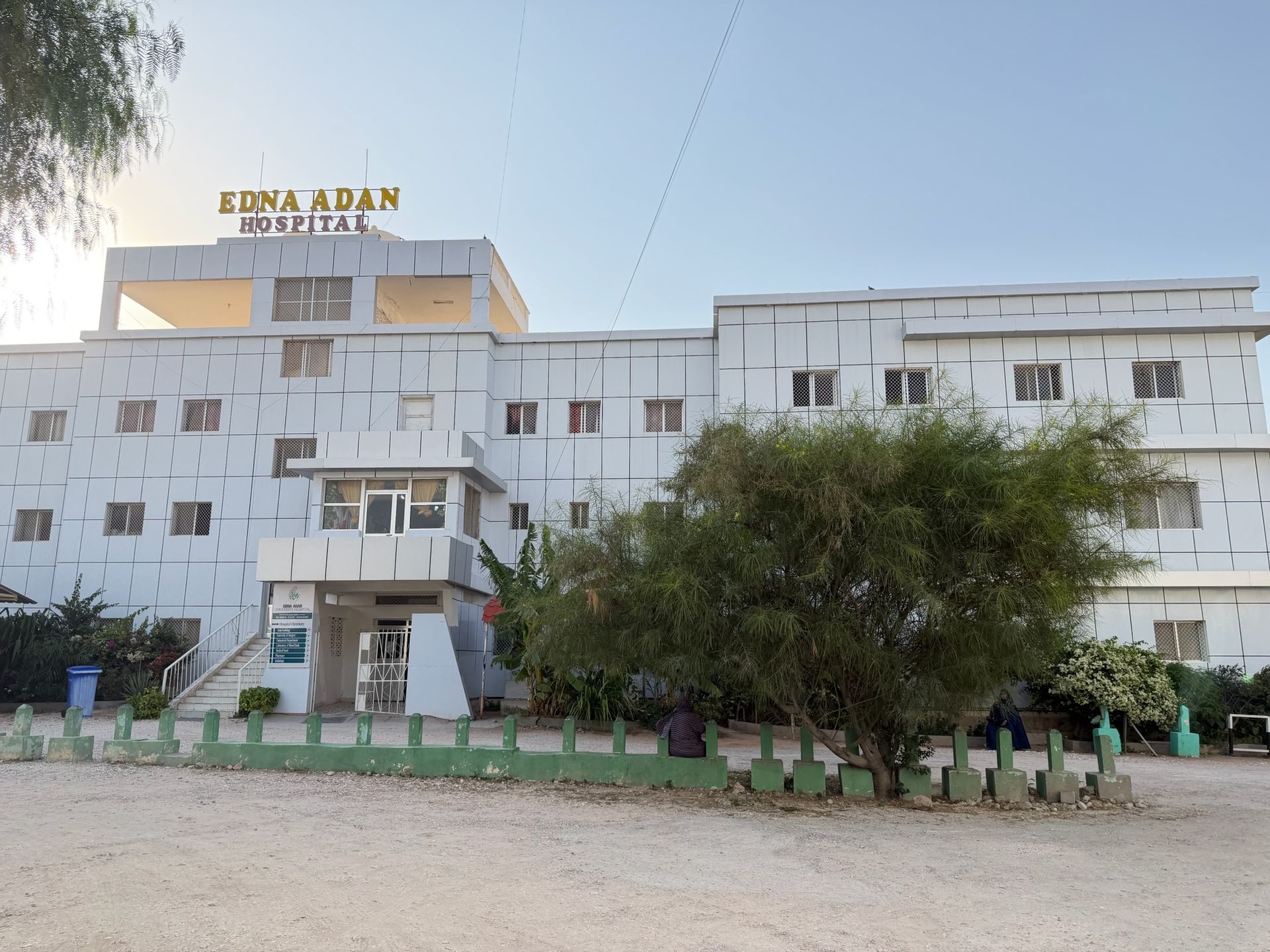
Thirty years on, this hospital — which started on rubble and a rubbish heap — is the most important maternal and child hospital in Somaliland, and it has trained most of the country’s midwives and nurses, lifting women’s rights and women’s earning power substantially in the process. Many of the students trained here are now spread across Somaliland, looking after more families still.
While we were taking a photograph in her office, Dr. Edna asked a student from the hospital to come in and take it for us. The student, maybe twenty years old, then asked: could I have a photo with you too? I was born in this hospital.
What really changes a country, in Dr. Edna’s view, is training a body of professionals who are willing to stay.
“I asked God for one child. In the end I was given six million.”
Sitting at her home over tea, Dr. Edna learned I was pregnant. She gave me an enormous blessing — and then, with great weight in her voice, told me a story.
“I prayed and prayed. Just give me one child. One would be enough.”
From her eyes, I could see how much she had wanted to carry a child of her own blood.
“I prayed and prayed, hoping God would hear me.”
She paused for a few seconds. Then she smiled at me and said:
“Many years later, God gave me six million children.”
The six million children she means are not children by blood. They are all of Somaliland.
For decades she has been beside more mothers welcoming new life than anyone could count, and beside a war-torn country as it got back on its feet. She built the maternity hospital, trained the midwives, founded the university, trained doctors across specialisms, pushed for girls’ education and for an end to FGM. What she has spent her life protecting is not only newborns. It is a country’s future.
A doctor can change one patient’s life. What Dr. Edna chose to change was an entire generation.
In the car, she was still thinking aloud about how to extend medical and training resources further, how to pass on the skills — and, on the education side, how to bring in more teachers for the country’s children.
What she wants is for the hospital, the schools and everything they reach to keep running healthily one day when she is no longer here.
Becoming the nation’s mother — Mama
Walking around a supermarket with Dr. Edna, it’s barely a few steps before someone stops to greet her.
“Mama!”
Others wave and smile from a distance. Some are only passing by, and still stop to pay their respects.
Later she drove us through the streets of Hargeisa herself. Stopped at a red light, the driver in the next car wound down his window, saw her, and called out immediately, grinning: “Mama!”
It wasn’t a one-off.
One evening I was at a restaurant looking back through photos on my camera. A server happened to catch sight of Dr. Edna in the album and said, with almost no hesitation: “It’s Mama.”
You feel it — an affection that comes from somewhere real in people.
Nobody introduces her as the former Foreign Minister. Nobody brings up the international awards. What people in Somaliland remember is that she was always there, giving them confidence, and changing their lives.
What is truly admirable isn’t what she has done. It’s that she has never stopped.
Spending real time with her, what stayed with me most were the details that have nothing to do with achievements.
She is nearly ninety, and she still takes a daily interest in how the hospital runs, in how her students are taught, and in where Somaliland’s healthcare system goes next. She is extraordinarily humble with people. And she was willing to drive us herself to see the Hargeisa she knows — not just the city at its best.
She took us to a settlement near the hospital, where the houses are made of torn cloth, irregular sheets of metal, plastic bags and sticks, and most adults have to stoop to get inside. Row after row, packed against each other, so fragile that brushing against one feels like it could knock loose the one panel keeping the weather out. A strong wind would bring them down.
“At least forty-five thousand people live here,” she said, pointing at shelters assembled out of discarded material.
“If getting sick costs money, if giving birth costs money — can they pay? A lot of them can’t even buy clean water.”
So I can’t charge these people for treatment. How else would they get through their days?
To this day, the hospital still puts part of its income toward patients who genuinely cannot pay. And if the funds don’t stretch, she finds another way.
She doesn’t talk about ideals. She doesn’t talk about mission. She has simply kept doing what she believes is right — and she has done it for a lifetime.
Frankincense brought us to Somaliland. She is why we understand it.
People often ask why Holiaum is willing to spend this much time, and travel this far, to get into Somaliland.
The answer was never only that the frankincense here is the finest in the world.
Working through the frankincense regions, we verify the species, the origin, the quality, and how the small harvesters work — and beyond that, we want to understand the history it grows out of, the culture around it, and the people quietly keeping this land intact.
A plant can never be separated from the ground it grows in. And the real value of a place usually comes from the human history in it.
Dr. Edna makes us believe that a single drop of water, or a single person, can change the fate of countless families and restore a people’s confidence.
That, too, is what Holiaum wants to share.
What we bring back to Taiwan is not only Somaliland’s frankincense and myrrh resin. We want to bring back this land’s people, its history, and the stories that cross cultures and borders and still move us deeply.
見聞隨筆更多文章