What Is Frankincense? Five Thousand Years of a Single Resin

Long before anyone spoke of essential oils, frankincense was already here — as resin. It has accompanied humans through ritual, medicine, trade and belief for most of recorded history.

It starts with a wound

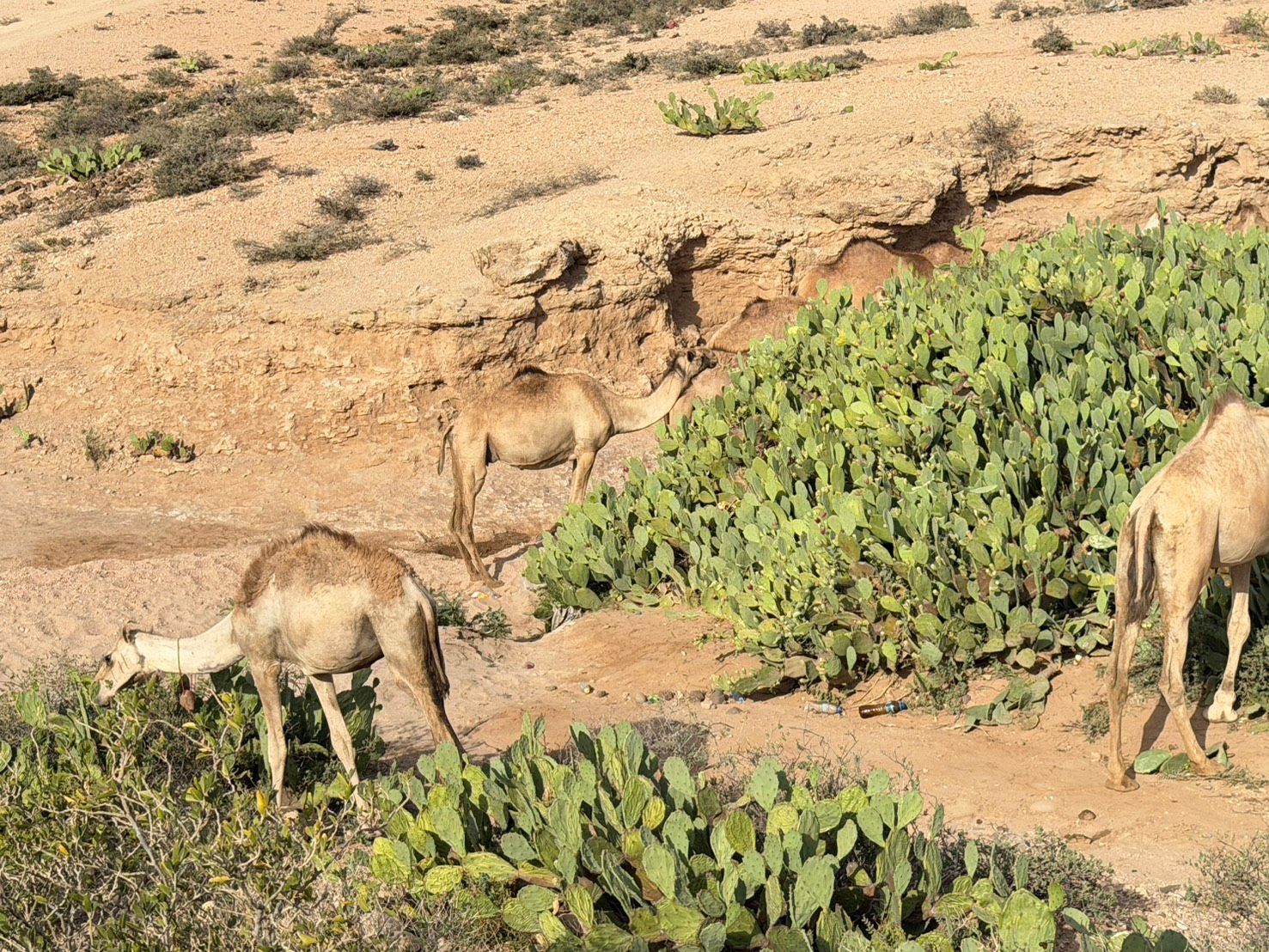
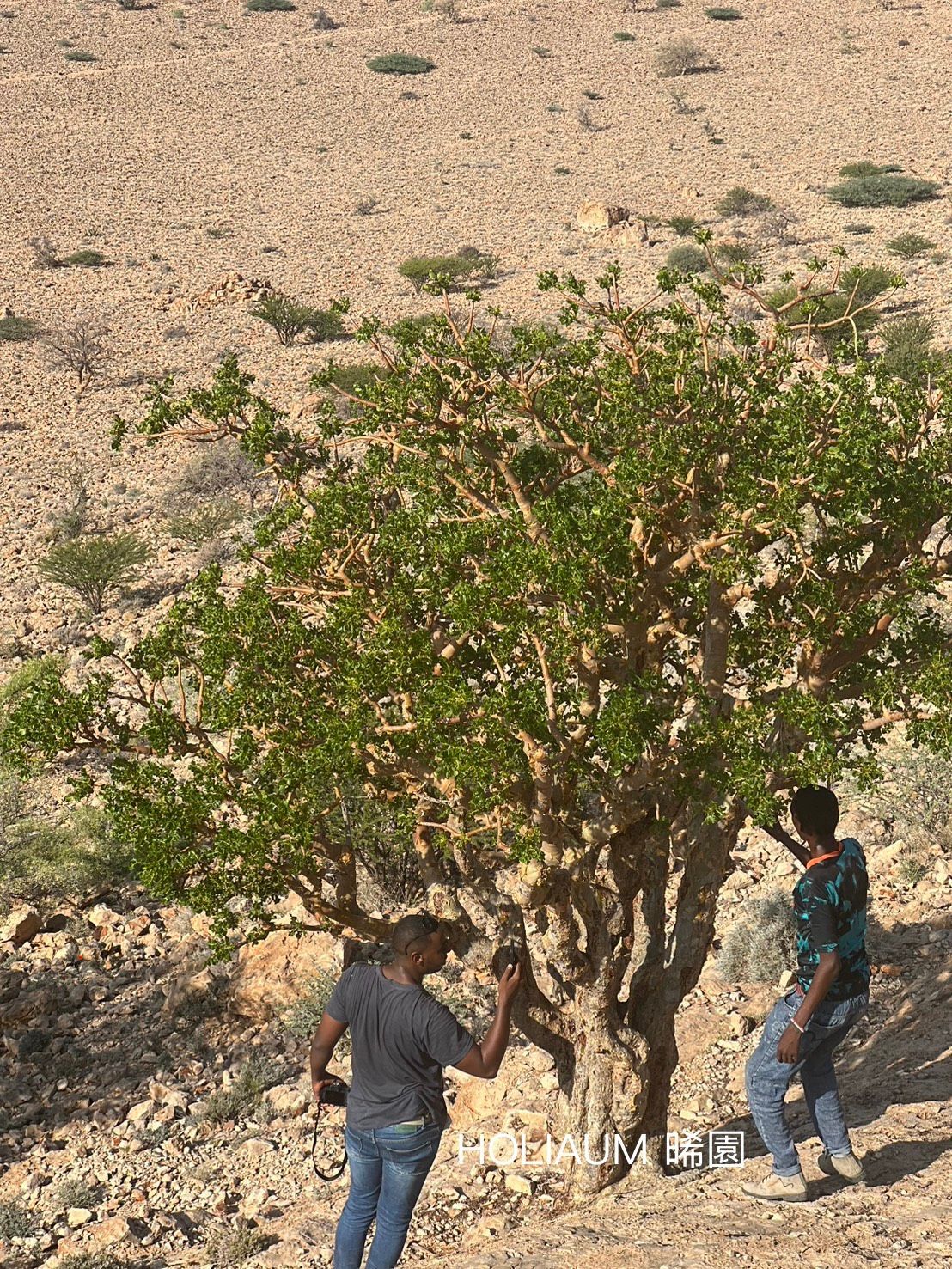
Frankincense is the resin of the Boswellia tree. It grows where almost nothing else bothers to: the dry country of Somalia and Ethiopia in East Africa, and parts of southern Arabia — Oman and Yemen.


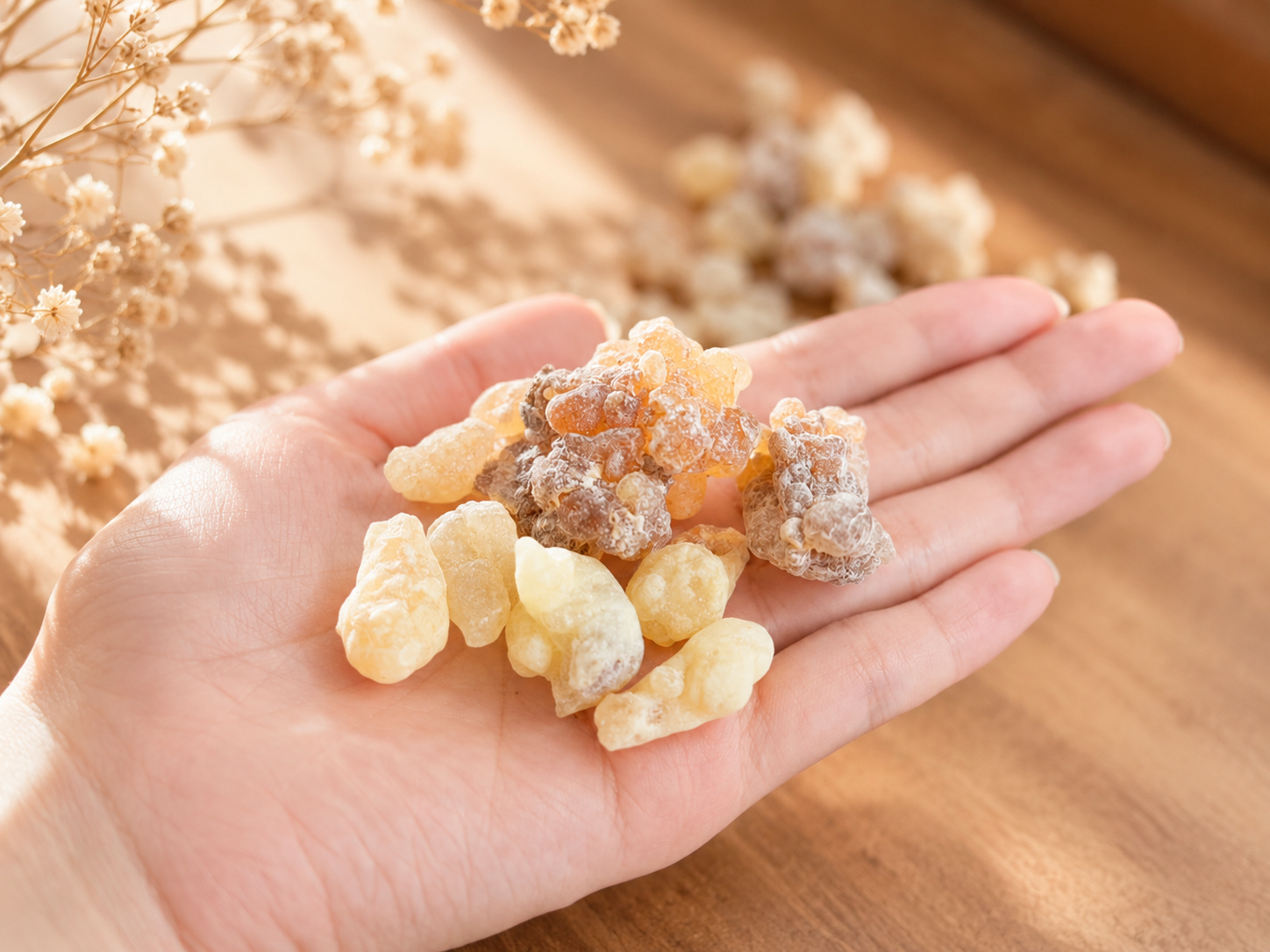
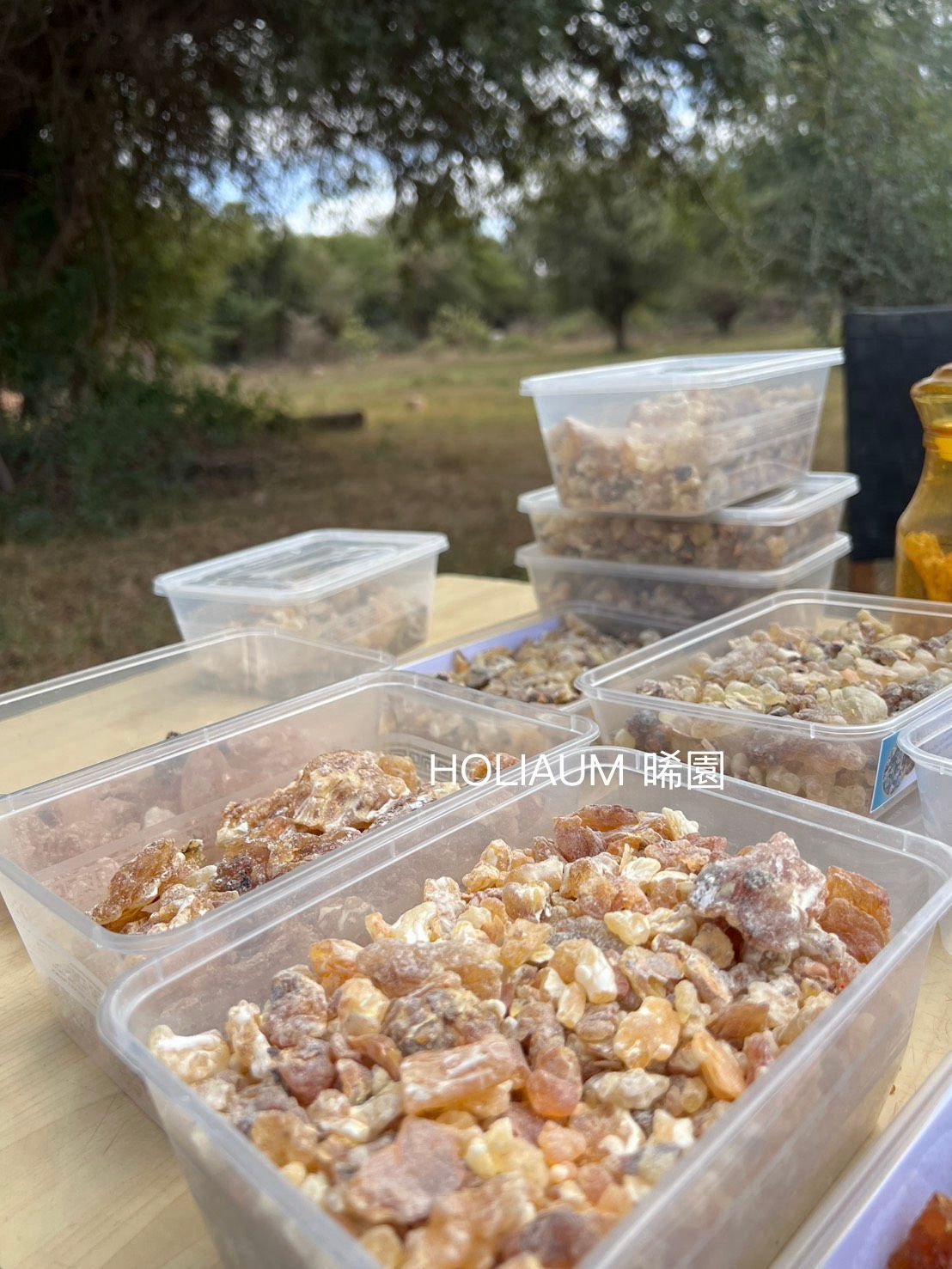
The harvest has barely changed in a thousand years. A worker cuts the bark, and the tree responds by slowly releasing a milky sap. On contact with air it hardens into translucent, tear-shaped beads. That is frankincense resin.
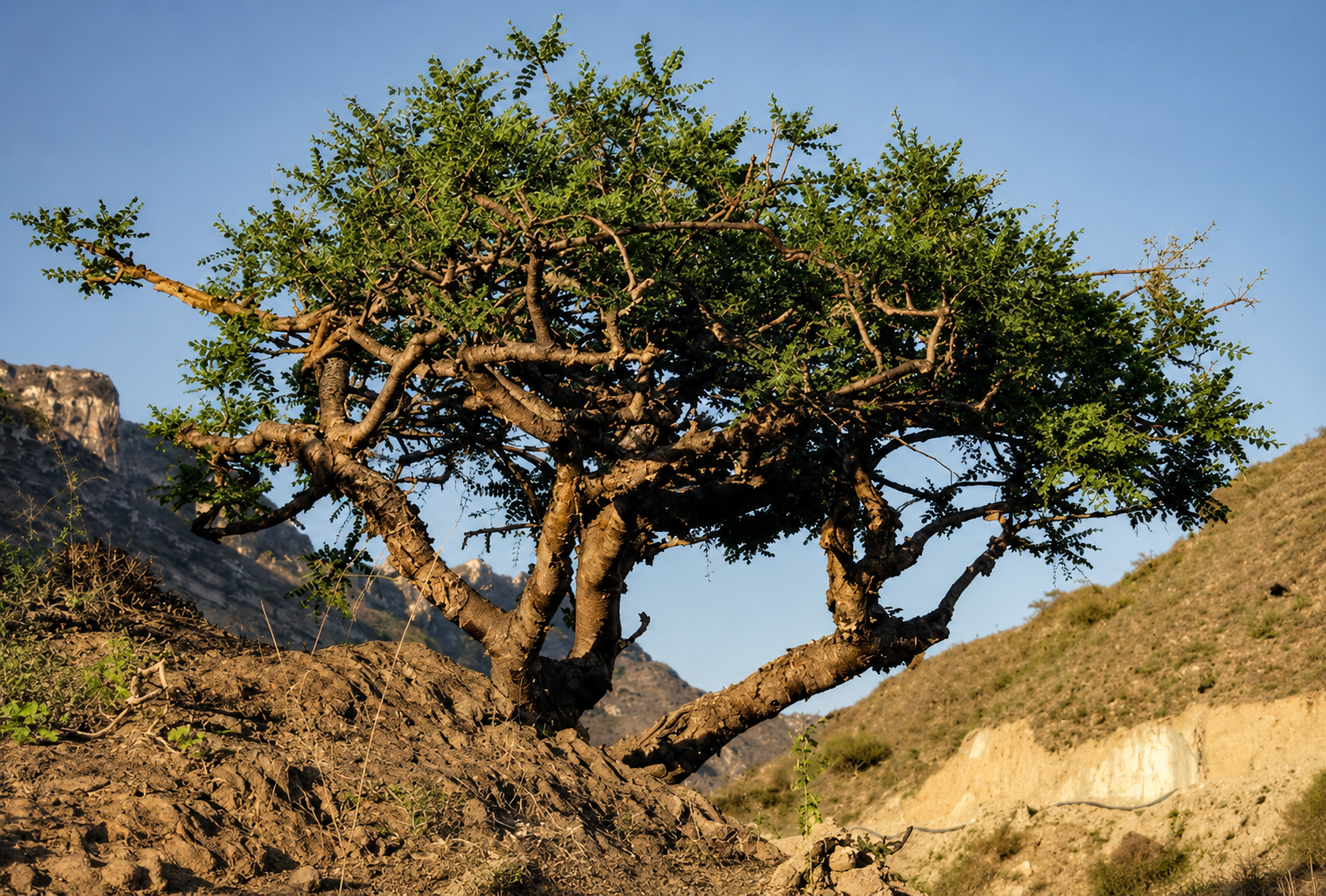
Resin is how a tree protects itself. When bark is damaged, resin seeps out, hardens, and seals the wound; the antibacterial and antioxidant aromatic molecules it carries hold off pests and disease. A mature tree can only be tapped a few times a year, and each tapping needs two or three weeks for the resin to set. The yield is small. That is the whole reason it was ever precious.


What drew humans in was the scent behind that wound — warm, deep, woody, faintly sweet. For thousands of years before distillation existed, people simply heated the beads and let the smoke carry it. It became the oldest medium we had between ourselves and whatever we imagined was above us.

Five thousand years of memory

The history of frankincense is a history of civilisations that never met.

Ancient Egypt · from around 3000 BCE

Frankincense sat at the centre of Egyptian religious life. Resin burned in the temples all day, and the smoke was understood as a bridge between people and the gods. The Egyptians called it the sweat of the gods. It was also used in mummification and in medicine for the nobility — a material that crossed religion, health and daily life at once.

Hatshepsut’s expedition · around 1479 BCE

Hatshepsut, the female pharaoh of Egypt’s Eighteenth Dynasty, sent an expedition to the legendary Land of Punt — in what is now East Africa — to secure a reliable supply. It came back with thirty-one living frankincense trees, which she attempted to transplant into Egyptian soil. She had the whole venture carved into the reliefs at Deir el-Bahari, and it remains one of the most important archaeological records of the ancient frankincense trade.

The Incense Route · from around 1000 BCE

As Mediterranean demand grew, a trade network formed specifically to serve it: the Incense Route. Arab caravans moved resin by camel from Oman, Yemen and East Africa across the desert to the Mediterranean coast. The two principal cargoes were frankincense and myrrh.

After months of travel and several layers of middlemen, frankincense could arrive worth roughly its weight in gold. The Sabaeans and the Nabataeans, who controlled the route, built enormous wealth on it — ancient geographers went as far as calling southern Arabia Arabia Felix, fortunate Arabia. The route peaked between the third century BCE and the second century CE, when Roman sources record imports of more than three thousand tonnes of frankincense a year. And of the three gifts the Magi brought to the newborn Jesus, two were frankincense and myrrh, listed alongside gold. It is hard to find a plainer statement of what the material was worth.

Chinese medicine · from the Northern and Southern dynasties to the Ming

Frankincense first enters the Chinese pharmacopoeia in Tao Hongjing’s Records of Famous Physicians, around the fifth century CE. Li Shizhen’s Compendium of Materia Medica, in the Ming dynasty, summarised it further: frankincense moves, enters the heart meridian, quickens the blood and settles pain — a principal remedy for sores, swellings and pain in the chest and abdomen. Chinese practice usually pairs it with myrrh, as ru-mo: one to move the blood, one to disperse it. That frankincense reached China from the western regions at all makes it a small monument to material exchange between East and West.

Ayurveda · the medicine of India

In Ayurveda, Indian frankincense (Boswellia serrata) has long been used to support the respiratory system and as an aid to meditation. Its Sanskrit name, Shallaki, carries the sense of purification and healing. Modern research has since identified boswellic acids and their anti-inflammatory properties — arriving, by a different road, at something the old physicians had already noticed.

The English word perfume comes from the Latin per fumum: through smoke. Our first understanding of scent began with burning resin.

From resin to oil: one source, two forms

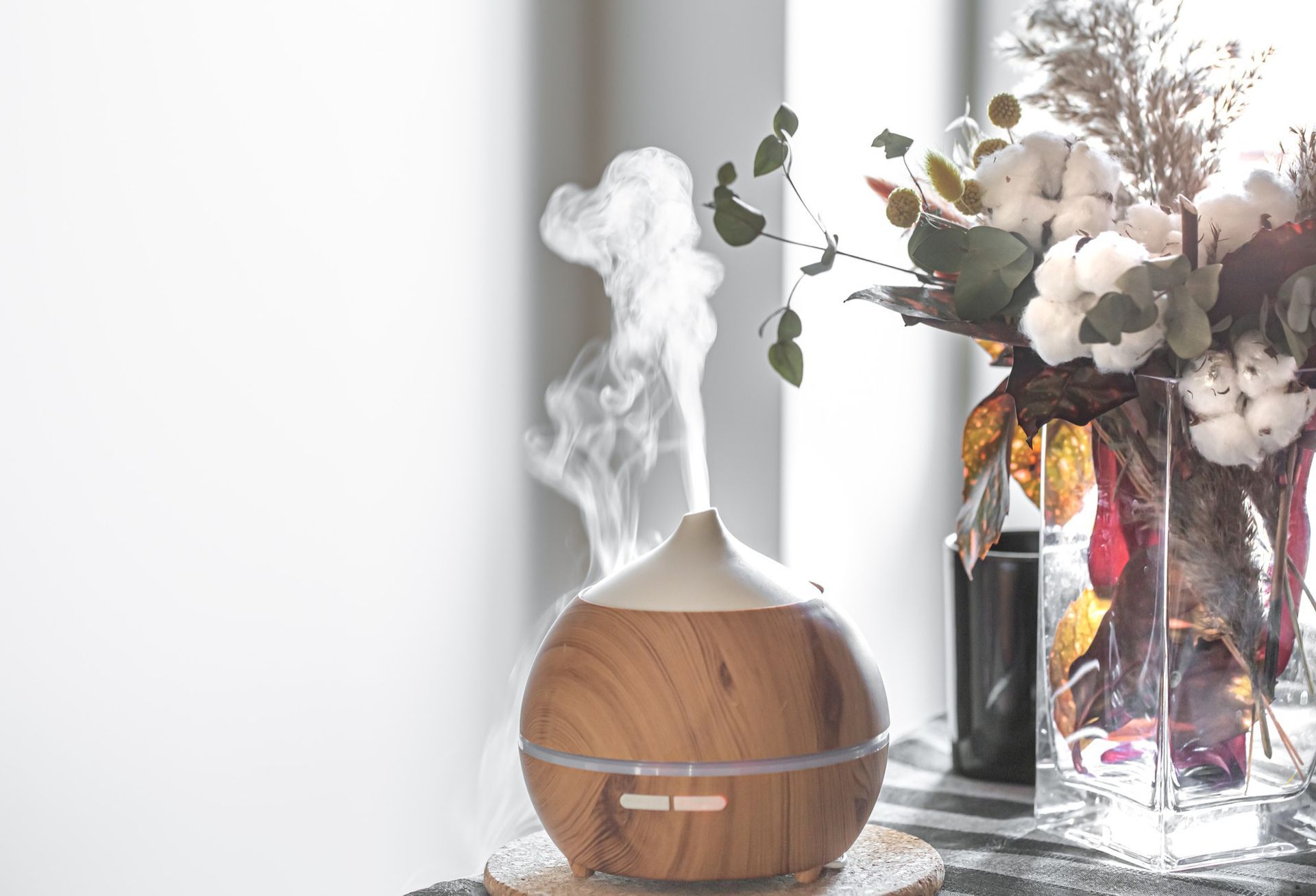
Frankincense essential oil is what you get when the resin is taken further, concentrated through steam distillation. The technique let the aromatics be captured precisely and used conveniently, and it laid the groundwork for how aromatherapy is practised today.


But distillation is a filter. It extracts the volatile aromatic molecules that steam can carry — and the heavier ones, resin acids among them, cannot make the crossing. They stay behind in the residue.


So resin and oil, from the same source, are not the same experience. The oil is lighter and clearer, easy to diffuse and easy to blend. The resin, heated gently, releases a more complex set of molecules and a depth the oil cannot fully reproduce.


Put simply: if the oil is frankincense concentrated, the resin is frankincense whole. Neither replaces the other. They show you different dimensions of the same plant.

Five thousand years later, it is still here

Very few plant materials have crossed religion, medicine, trade and spiritual life all at once — discovered and prized independently by Egypt, Arabia, China and India, none of them comparing notes. Frankincense did.


It has never needed to be fashionable to justify itself. Five thousand years is explanation enough.


In an era this fast, some old things are worth knowing again. Not out of nostalgia — but because the knowledge they carry still works.


Next time you catch the scent of frankincense, whether as smoke from a resin or the clarity of the oil, what you are smelling is five thousand years of plant memory.


Holiaum’s frankincense resin

Holiaum verifies at the source, and offers frankincense resin in its most original form — pure, unprocessed, with nothing synthetic added along the way.
見聞隨筆更多文章
作者: Sandy Tsai.Holiaum 創辦人.IFA 國際芳療師/NAHA L3 高階芳療師認證 • August 2, 2026
真正薰衣草的價值,是誰決定的?一趟南法普羅旺斯的產地觀察
作者: IFA 芳療師 Sandy Tsai • July 24, 2026
她是非洲的德蕾莎修女,也是索馬利蘭國母、前外交部長。以一己之力拯救六百萬條生命。是 Adan Edna Hospital 與 Adan Edna University 創辦人,也是非洲反女性割禮運動的先驅倡導者。
作者: IFA 芳療師 Sandy Tsai • July 12, 2026
索馬利蘭:一個運作三十餘年卻仍等待世界承認的國家
作者: IFA 芳療師 Sandy Tsai • June 9, 2026
在精油成為日常用語之前,乳香已經以樹脂的形態,陪伴人類走過祭祀、醫療、貿易與精神信仰的漫長歷史。
作者: IFA 芳療師 Sandy Tsai • May 17, 2026
水氧機、擴香儀、薰香燈、樹脂擴香:四種工具的真正差異,哪種最適合你?
作者: IFA 芳療師 Sandy Tsai • May 6, 2026
探索芳療與香氛的真正差異:天然精油講求植物成分與身心調節,香氛則著重氣味氛圍與感受。一次搞懂複方精油、香氛蠟燭與室內香氛的本質差別,避免花了芳療的錢卻買到香氛產品,讓每次選購都更值得。
作者: IFA 芳療師 Sandy Tsai • May 1, 2026
Holiaum 晞園創辦人 Sandy 分享品牌誕生的故事。從接觸精油十一年,到取得國際 IFA 與 NAHA L3 芳療師認證,以乳香、沒藥與台灣紅檜的植物智慧,陪伴現代人回歸本心、重新與自己連結。