Who Decides What True Lavender Is Worth? Notes from Provence
If LVMH, Chanel or one of the big international fragrance houses came to you tomorrow wanting to buy your raw material — would you sell?
In Provence, one family, five generations in, said no.
Not because they were short of orders. Because they no longer wanted to be only a supplier.
The big houses wanted their lavender. They don’t sell it.
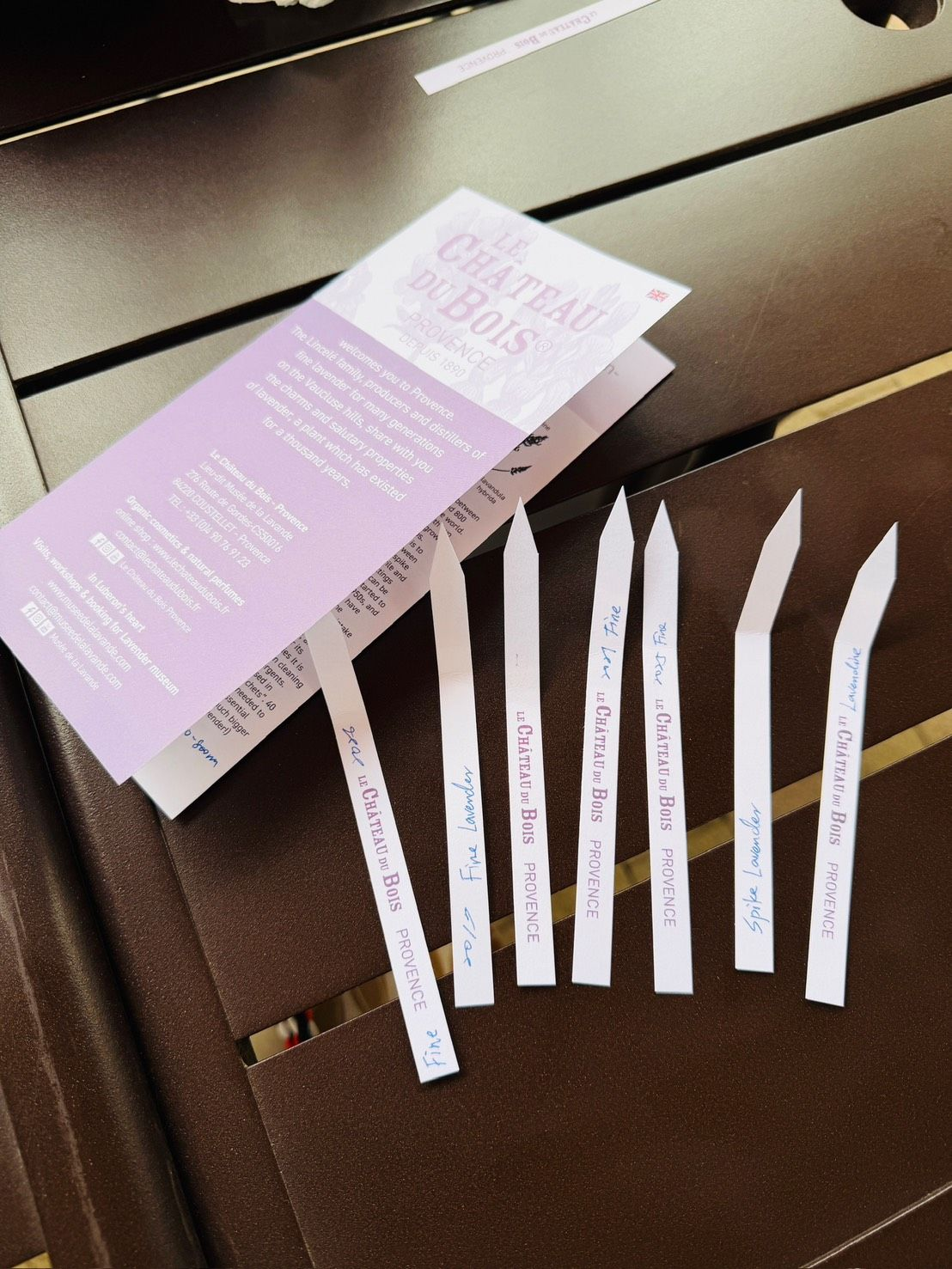
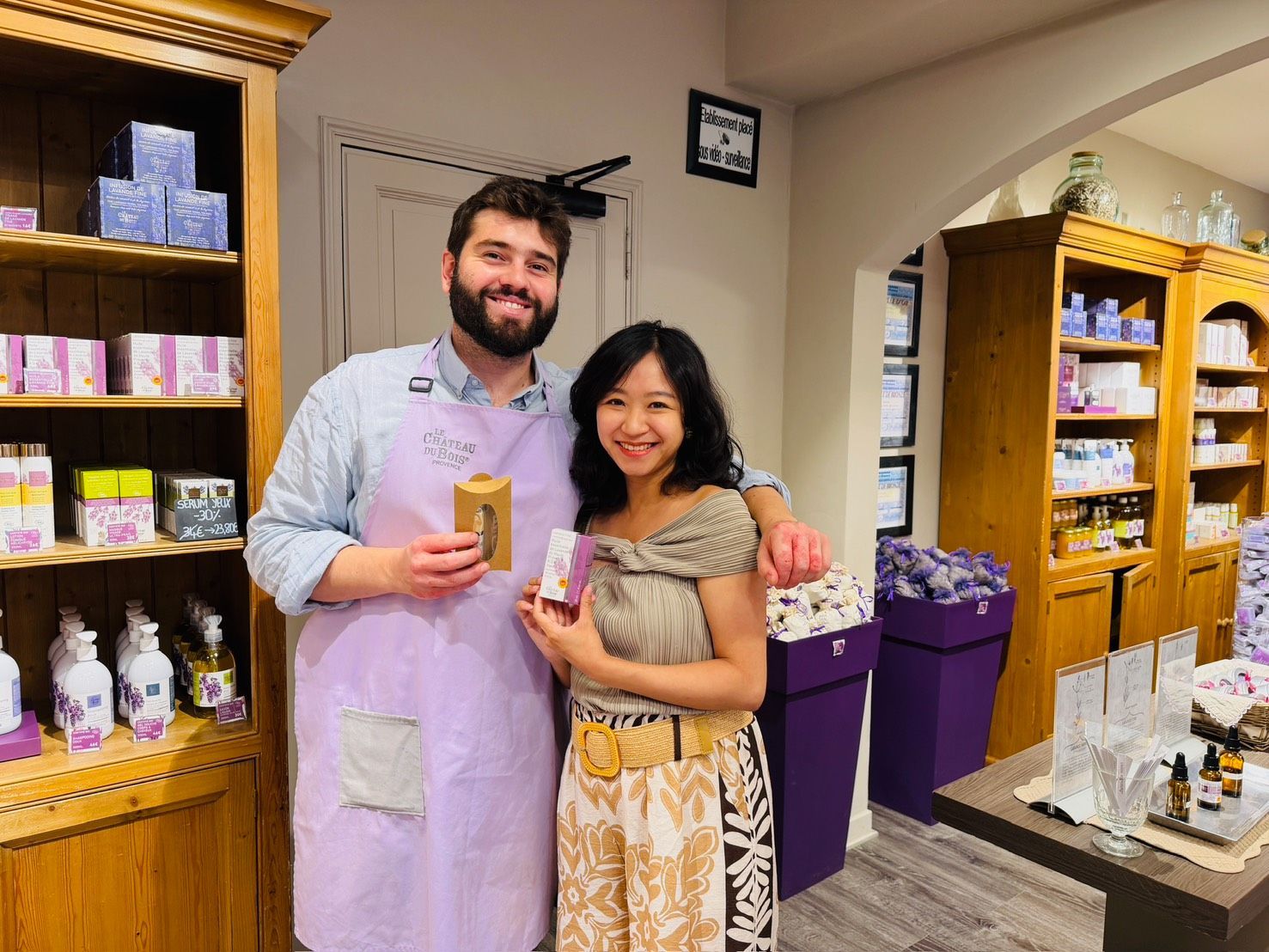
This is the Musée de la Lavande in Provence. The Lincelé family who run it also own the farm at Domaine Château du Bois, now in its fifth generation. What they grow is true lavender — Lavandula angustifolia — the variety that only grows at altitude, is difficult to tend, and yields little.
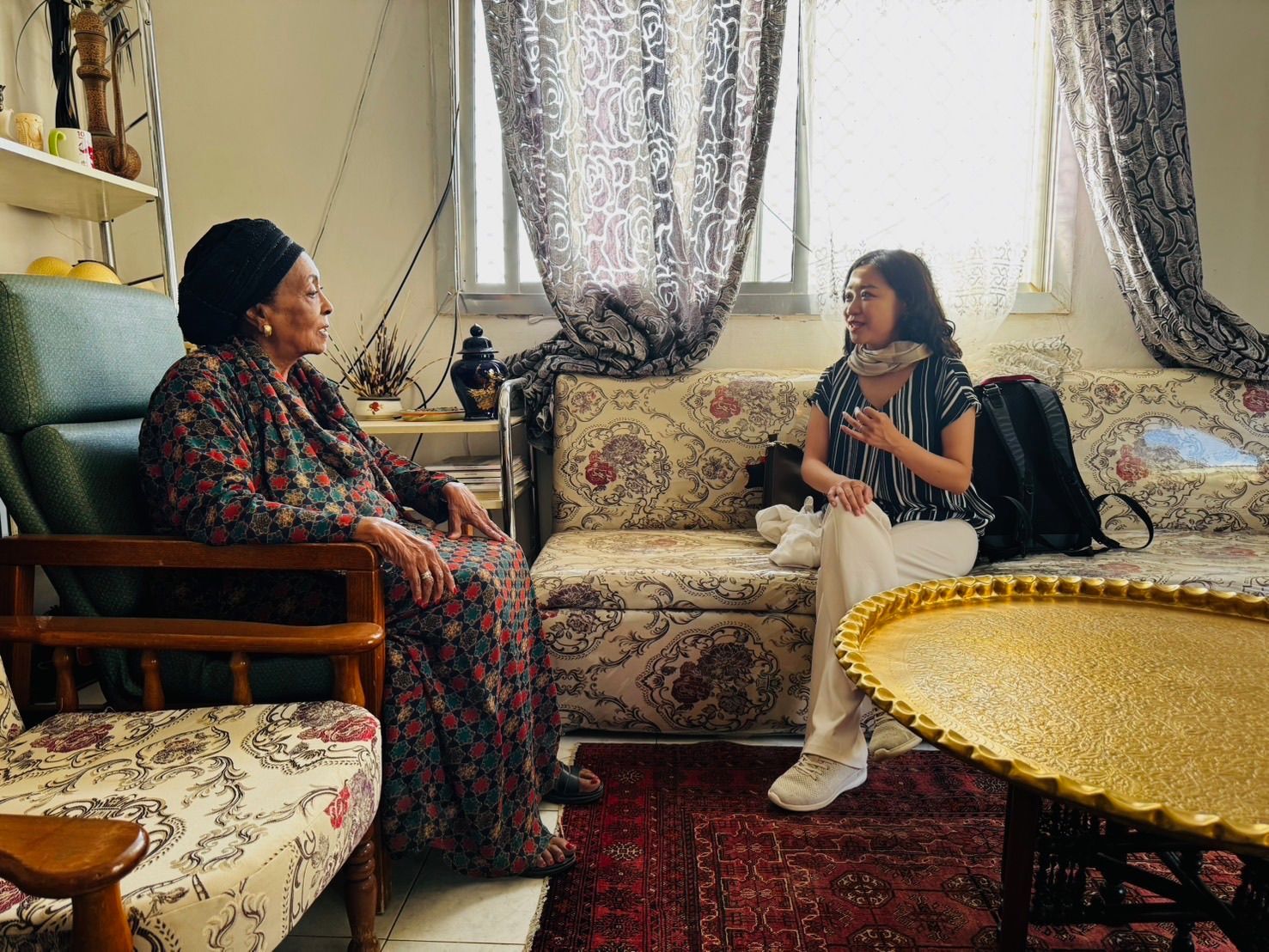
“Your true lavender is this good. Haven’t the big brands come to buy from you?”
“They have. But we don’t sell to them any more. Everything is grown and sold by us now.”
The answer came quickly, without hesitation, as though it were obvious.
To keep the culture of this variety from disappearing, they founded the museum first. The brand came much later.
Culture first. Then the brand.
That field of purple you’ve seen may not be true lavender
To understand how much weight sits behind “we don’t sell any more,” you have to know what they are competing against.
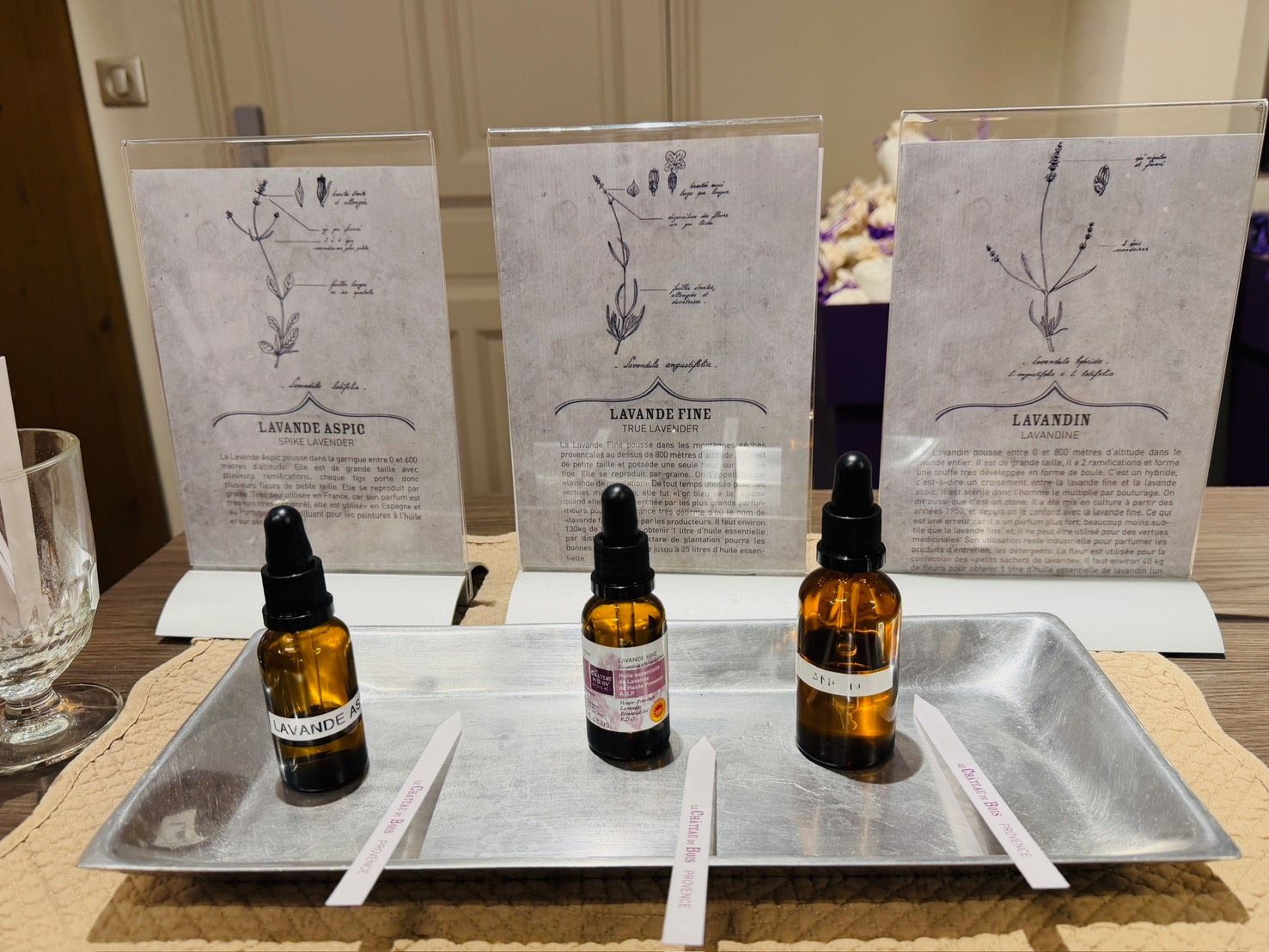
There are many kinds of lavender. The common ones divide into true lavender, lavandin, and spike lavender.
Of these, true lavender (Lavandula angustifolia) is the most valuable — and it is the variety that carries the sleep and relaxation properties documented in aromatherapy and in a good deal of scientific research.
That vast, spectacular purple on every Provence postcard in summer is mostly not true lavender. It is
lavandin (Lavandula × intermedia), a natural hybrid of true lavender and spike lavender (Lavandula latifolia). Because it is comparatively easy to grow and propagate, and its scent is consistent, it became the market mainstream — and it now accounts for the bulk of Provence’s planted area.
| True lavender | Lavandin | |
|---|---|---|
| Botanical name | Lavandula angustifolia | Lavandula × intermedia |
| Origin | Native species, grows from seed | Hybrid, mostly sterile — propagated by cuttings |
| Growing conditions | High altitude (above roughly 800m; the higher, the finer), difficult to grow | Low to mid altitude, highly adaptable, easy to grow |
| Oil yield per hectare | Low | Several times that of true lavender |
| Variation between plants | Large | Small — consistent, easy to control |
| Main constituents | Mainly linalool and linalyl acetate; camphor very low | Linalool and linalyl acetate, plus markedly higher camphor and 1,8-cineole |
| Scent | Soft, round, honeyed, with a herbaceous finish | Sharp, crisp, distinctly camphorous |
| Typical uses | Aromatherapy, fine perfumery | Soap, laundry detergent, cleaning products, bulk fragrance |
So is true lavender actually better?
Neither is better. But their uses and their cost structures are worlds apart.
Most consumers cannot tell the two apart — and when nobody can tell, the higher-cost option has no way to win.
That is the situation every person who insists on quality is standing in.
Between a raw-material supplier and a brand, there is a story
Sell your oil to a big brand and you get the raw-material price — and a raw-material price that is being compared against everyone else’s.
The same batch of oil, made into your own product and sold in your own shop, can be worth dozens of times more.
That gap does not come from distillation technique. It comes from a story.
Turning down raw-material orders isn’t only a change of business model. It is moving from being one link in a supply chain to being the one who defines the value.
The problem is:
how does a consumer know your story is true?
AOC protected origin: when an essential oil is certified by a country
The Lincelé family didn’t build a brand first. They built a museum.
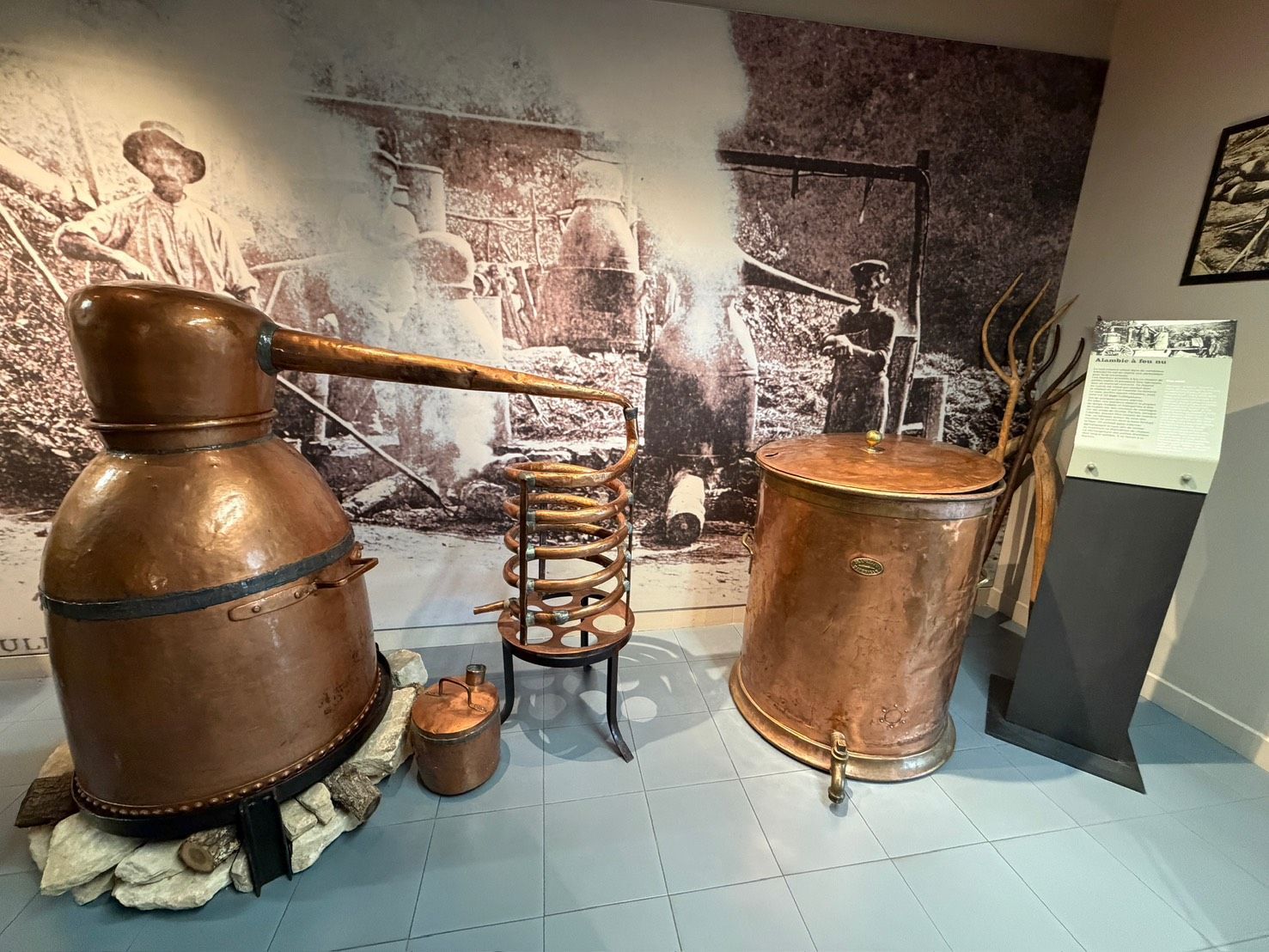
Inside are the distillation vessels of every generation, an explanation of the differences between varieties, an account of how altitude and climate shape the scent, and the record of how people have lived on this land for several hundred years. Walk through it once and you come out knowing that “true lavender” and “lavender” are not the same thing. It isn’t there to preserve sentiment. It is there to turn one variety into a category a consumer can recognise — and is willing to pay for.
But a museum built by one farm is, in the end, still one farm’s account of itself.
Making the difference legible to consumers has never been a job a single brand can do. It is infrastructure, held jointly by an entire producing region, and it comes in two parts.
One part the industry can build itself: museums, distilleries open to visitors, flowering-season routes, perfumery schools. These turn variety, altitude, distillation method and scent description into a shared language. When different farms and different brands all speak it, consumers’ judgement has a chance to accumulate. The cost is spread across the whole industry; the return is shared by everyone inside it.
The other part, the industry cannot build alone.
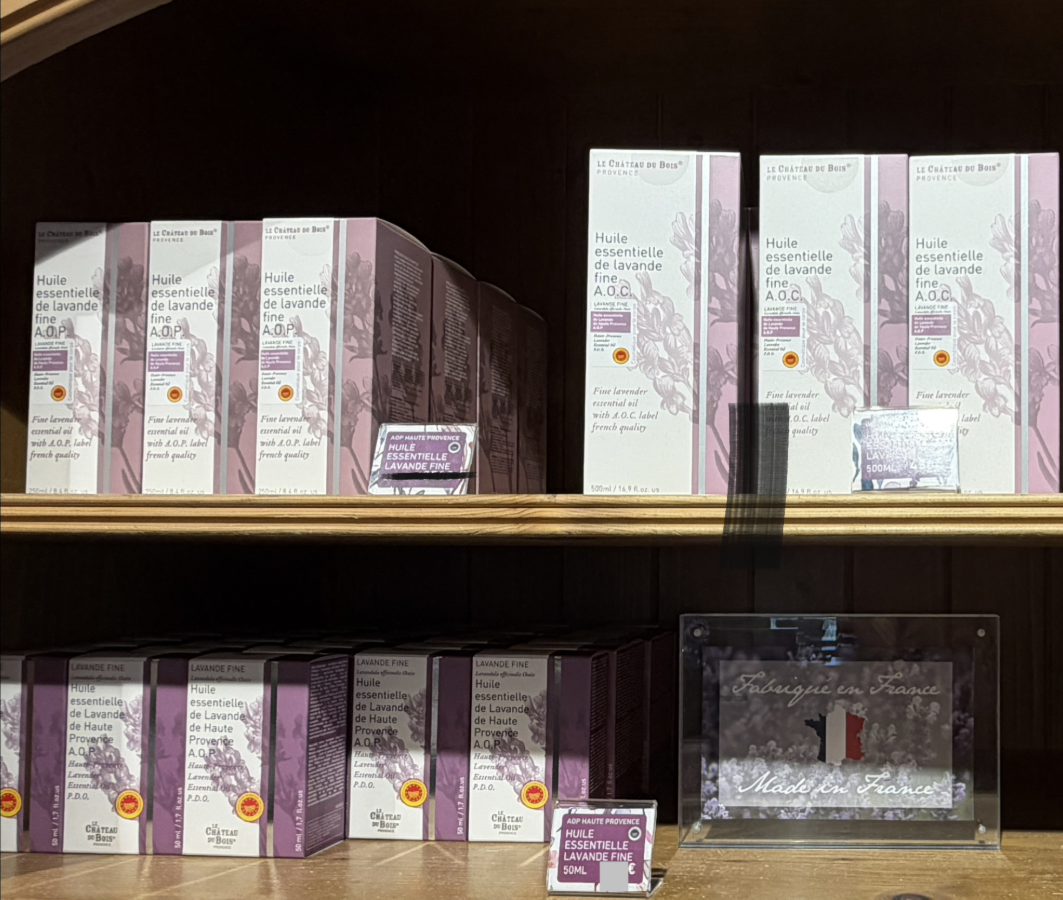
In 1981, Huile essentielle de lavande de Haute-Provence received AOC protected designation of origin. AOC is mostly applied to wine and cheese; for an essential oil to be included is extremely rare. It amounts to a national-level acknowledgement that origin and variety determine quality — and it draws the boundary, specifying which altitudes and which species may carry the name.
The value of that oil was not decided unilaterally by a farm. It was set by an entire producing region, together with a country willing to stand behind it.
And Taiwan?
In France, a bottle of true lavender oil has a whole region telling the same story behind it.
Back in Taiwan, I find myself thinking about a different problem.
Taiwan red cypress exists nowhere else on earth. Yet most people assume Japanese hinoki must be the best — and many don’t know the difference between red cypress and yellow cypress (Chamaecyparis obtusa var. formosana, Taiwan’s own hinoki), or where red cypress even comes from.
Neither the domestic market nor the export market has built a complete shared language for any of it.
At first glance the problem looks like this: Taiwan’s small and mid-sized brands each have to educate consumers from zero, which makes it very hard to build a brand that travels internationally.
But look closer, and Taiwanese tea is the counter-example. Certification marks of origin (Alishan high-mountain tea, Dong Ding oolong from Lugu, Sun Moon Lake black tea and others), government research and improvement institutions, tea museums, tea farms open to visitors, and a competition-tea system — plus an entire shared vocabulary running from region and altitude to oxidation level and brewing method. Taiwanese consumers pay different prices for those differences to this day.
The legal basis for Taiwan’s certification marks of origin is the Trademark Act, not an independent geographical indication system like AOC. Protection essentially stops at the border; to take effect abroad, it has to be registered again, country by country.
And many of Taiwan’s most precious aromatic materials haven’t even taken the first step.
Taiwan red cypress (Chamaecyparis formosensis) is an endemic species found only here. Together with Taiwan yellow cypress (Chamaecyparis obtusa var. formosana), Taiwan incense cedar (Calocedrus formosana), Taiwan China fir (Cunninghamia konishii) and Taiwania (Taiwania cryptomerioides), it makes up what Taiwan calls its five precious conifers. It has no certification mark of origin, and no corresponding international standard for its essential oil. Lavender oil has an ISO specification defining its constituent ranges; Taiwan’s cypress-family oils do not.
The difference between red and yellow cypress, what counts as a Taiwan native species, purity, the age of an oil and its composition — every brand still explains these for itself.
Taiwan’s national mountain scents are still missing their backing
Château du Bois had the commitment to the variety, the museum and the AOC first — which is why, when the lavandin crisis came, it could protect itself.
Grasse, the capital of perfumery, first had several centuries of craft, then rebuilt its organic planting and its plant genetic library, and only then obtained industrial protection — which is what gave it the opening to transform, revive and go international.
Cultural accumulation and industrial protection can amplify a local culture onto the international stage. They also leave a road back, if that culture declines or fades out of memory as the times move on.
The scents of Taiwan’s mountains are waiting for a moment like that too. And what can be done before then is slow work: setting out the botany, the culture and the history a piece at a time, so that one more person can tell the difference, and understand the culture and the value underneath it.
A plant’s value does not change because someone discovers it. It becomes visible to the world because more people understand it. That is what Holiaum intends to keep working on.
Writer: Sandy Tsai — founder of Holiaum, IFA Certified Aromatherapist and NAHA Level 3 Advanced Aromatherapist, with over eleven years working with essential oils. Holiaum is rooted in plant wisdom proven across millennia, making natural scent an entry point to a daily ritual for body and mind.
見聞隨筆更多文章