Somaliland: A Country the World Still Hasn’t Recognised
When the world talks about the Horn of Africa, most people picture Somalia — conflict and piracy. Far fewer know that next door to it sits a place with its own government, its own currency, its own passport, its own army, democratic elections and relative public safety: Somaliland.
Since declaring the restoration of its independence in 1991, Somaliland has been running for more than thirty years without broad international recognition. It is often described as one of the largest unrecognised countries in the world.
From British protectorate to Somaliland today
Somaliland did not break away from Somalia. It has a different colonial history.
In the late nineteenth century, what is now Somaliland was the British Somaliland Protectorate. The south was ruled by Italy, as Italian Somaliland.
On 26 June 1960, British Somaliland became independent first, and briefly held diplomatic recognition from more than thirty countries. Five days later, on 1 July, in the name of pan-Somali nationalism, it merged voluntarily with Italian Somaliland to form the Somali Republic.
The tensions between the two — over the distribution of political power, over economic resources, over how the country should be governed — deepened year by year.
In the 1980s, the government of President Siad Barre launched large-scale military operations against the north. Tens of thousands died. Hargeisa, the capital, was left almost levelled.
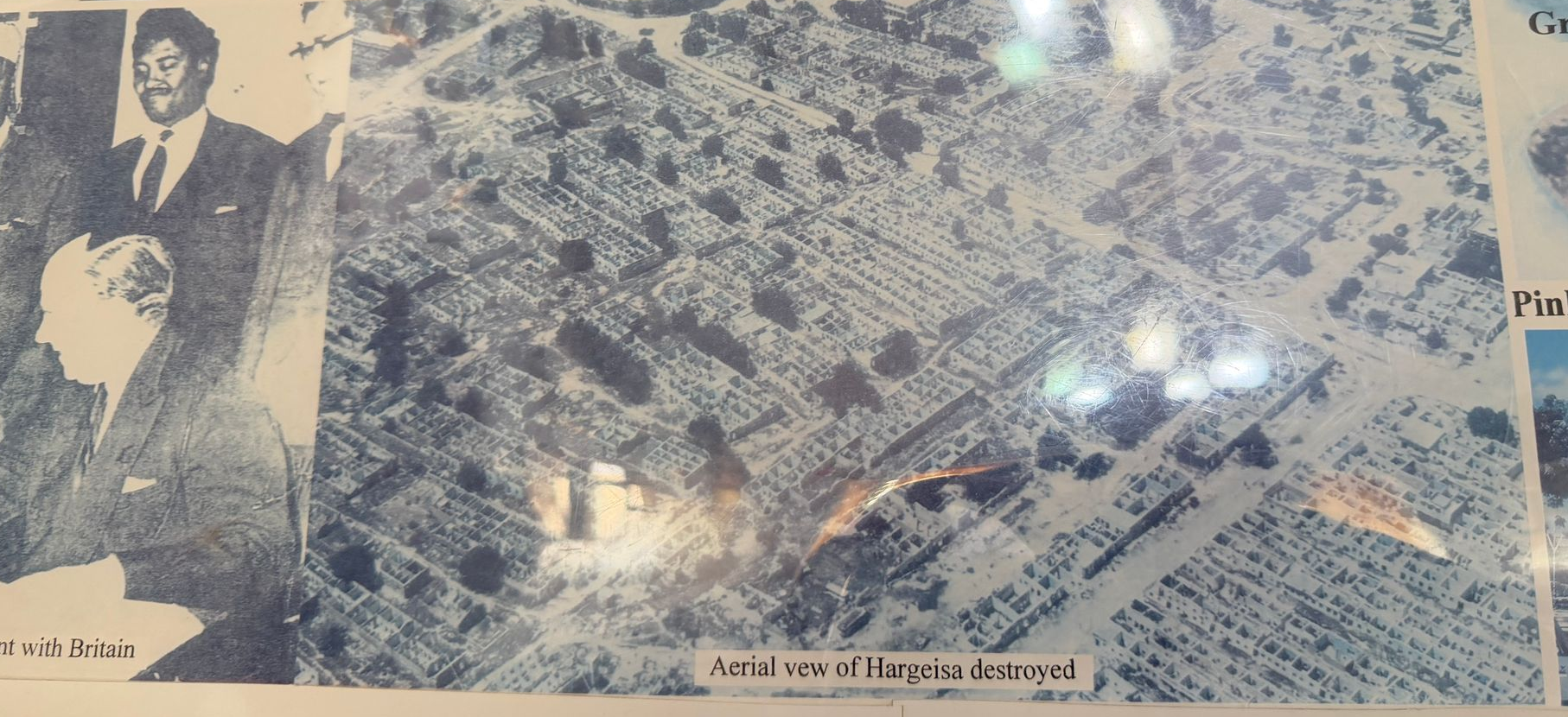
In 1991, Somaliland declared independence.
People there told us that almost every family had someone in that war. The freedom they won was walked out over ground covered in blood.
In 1991, after the collapse of the central Somali government, Somaliland declared the restoration of the statehood it had held in 1960, and began building its own political institutions.
Thirty years on, Somaliland has a functioning state
The population is around six million, predominantly ethnic Somali and Sunni Muslim. Foreign women visiting are advised to wear a headscarf as a matter of respect and courtesy.
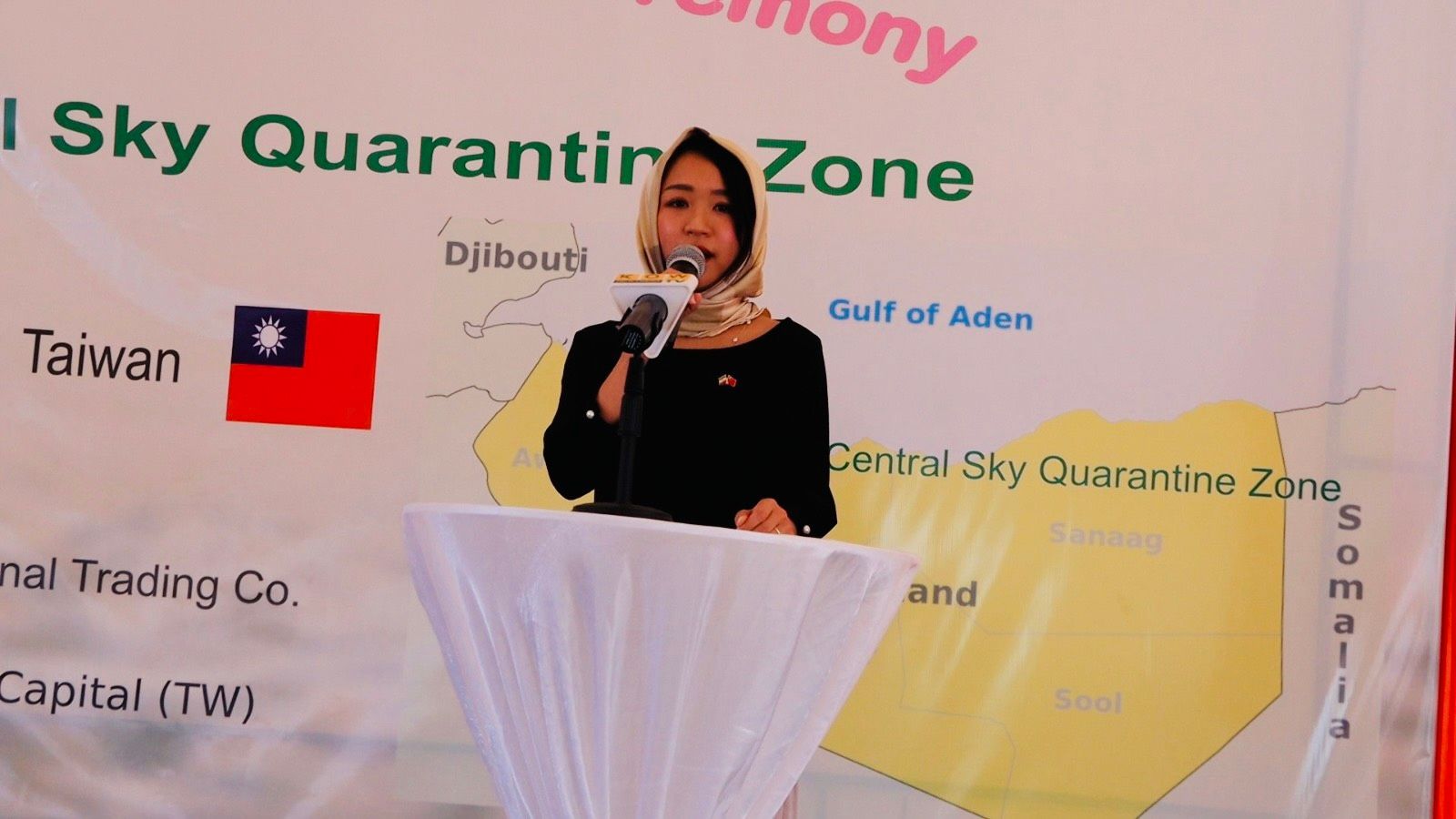
For women travelling there: wear a headscarf; avoid sleeveless tops and thin straps — and if you do wear them, put a jacket over the top to cover your arms.
Somaliland’s international standing remains contested. In practical terms, though, it has most of the characteristics of a modern state:
- Its own constitution and an elected government
- Its own currency, the Somaliland shilling
- An army, a police force and a judicial system
- Completed transfers of power between parties through democratic elections
- Independent management of its borders, customs and taxation
- Consistently higher social stability than the surrounding region
Compared with Somalia, which continues to face serious security challenges, Somaliland is considerably more democratic and more free.
So why still no broad recognition?
Somaliland’s own argument is that it was already an independent country in 1960; that the union with Somalia was entered into voluntarily; and that when the federation failed, its original sovereignty simply returned.
But most countries, and the African Union, are concerned that recognising Somaliland could encourage other separatist movements across Africa to follow. So they have maintained a long-standing position in support of Somalia’s territorial integrity — even as plenty of those same countries keep trade and official contact with Somaliland.
The turning point of 2025: Israel formally recognises Somaliland
26 December 2025 was a historic breakthrough.
Israel formally announced its recognition of Somaliland as a sovereign independent state, and the two announced formal diplomatic relations. Israel became the first UN member state to formally recognise Somaliland’s sovereignty since it restored its independence in 1991.
People there told us the four recognitions they want most are the United States, Israel, the UAE and the United Kingdom.
For them, Israel’s recognition carries the United States behind it. We happened to be in the country at the time, and the joy on the street that night — how deeply and immediately people felt it — is genuinely hard to put into words.
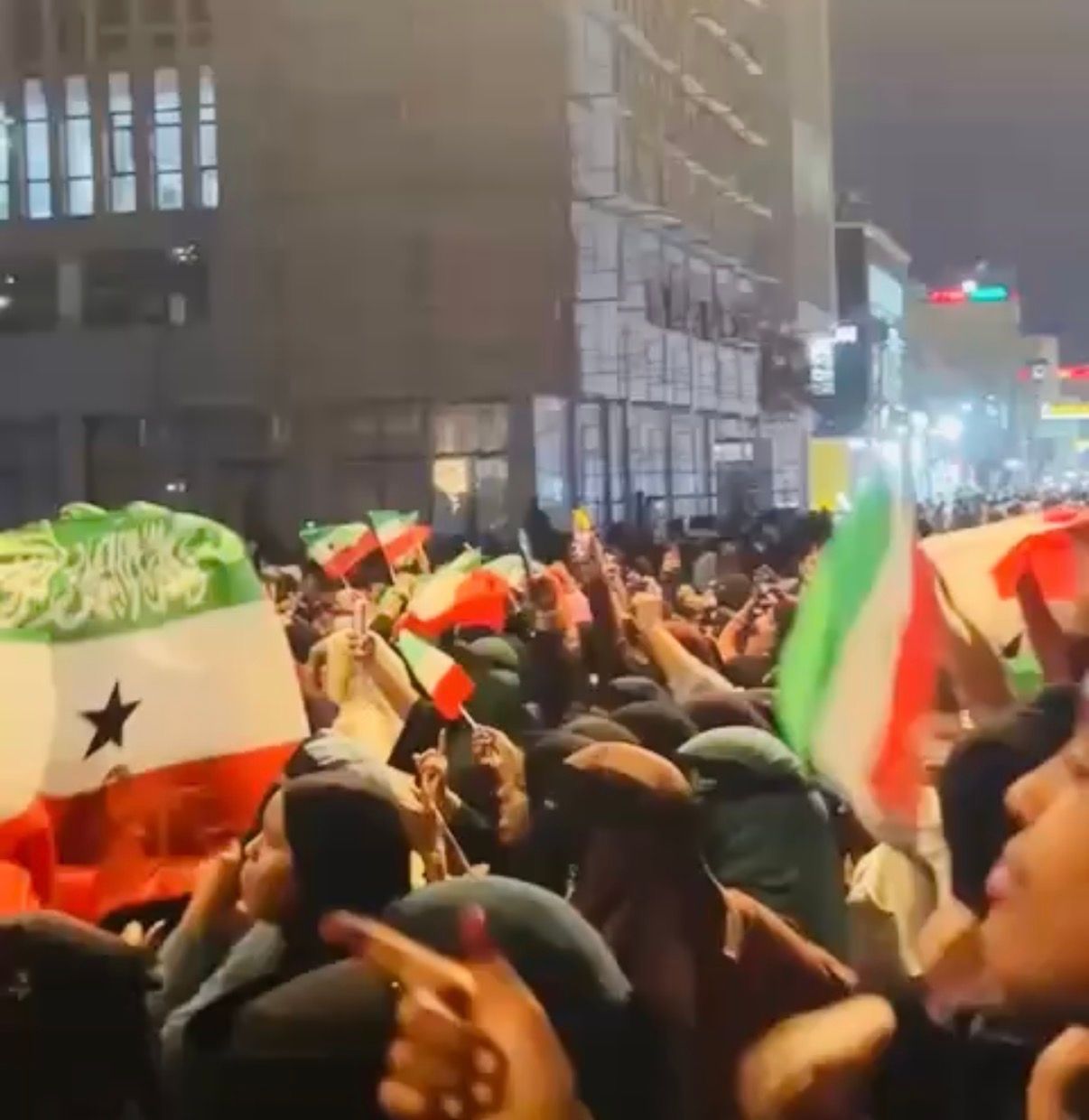
On the evening of 26 December 2025, people filled the streets to sing and dance. Everywhere you looked, there were people celebrating.
Taiwan: Somaliland’s most important partner in Asia
Since Taiwan and Somaliland established representative offices in each other’s capitals, the relationship has been a strong one — particularly in healthcare, information technology, infrastructure and vocational training. In 2025, Taiwan committed US$22 million to establish the Taiwan Medical Center.
In Somaliland, saying you’re Taiwanese produces a noticeable warmth. People there can see what Taiwan has built, what it has invested, and the professional training resources it has put in. A great deal of credit for building that platform of cooperation belongs to Ambassador Allen Luo.
Taiwan and Somaliland both operate in a complicated diplomatic environment, and both hope to raise their visibility on the world stage through democratic institutions, economic cooperation and international participation. International media often describe the two as an unusual partnership built on shared values and practical cooperation.
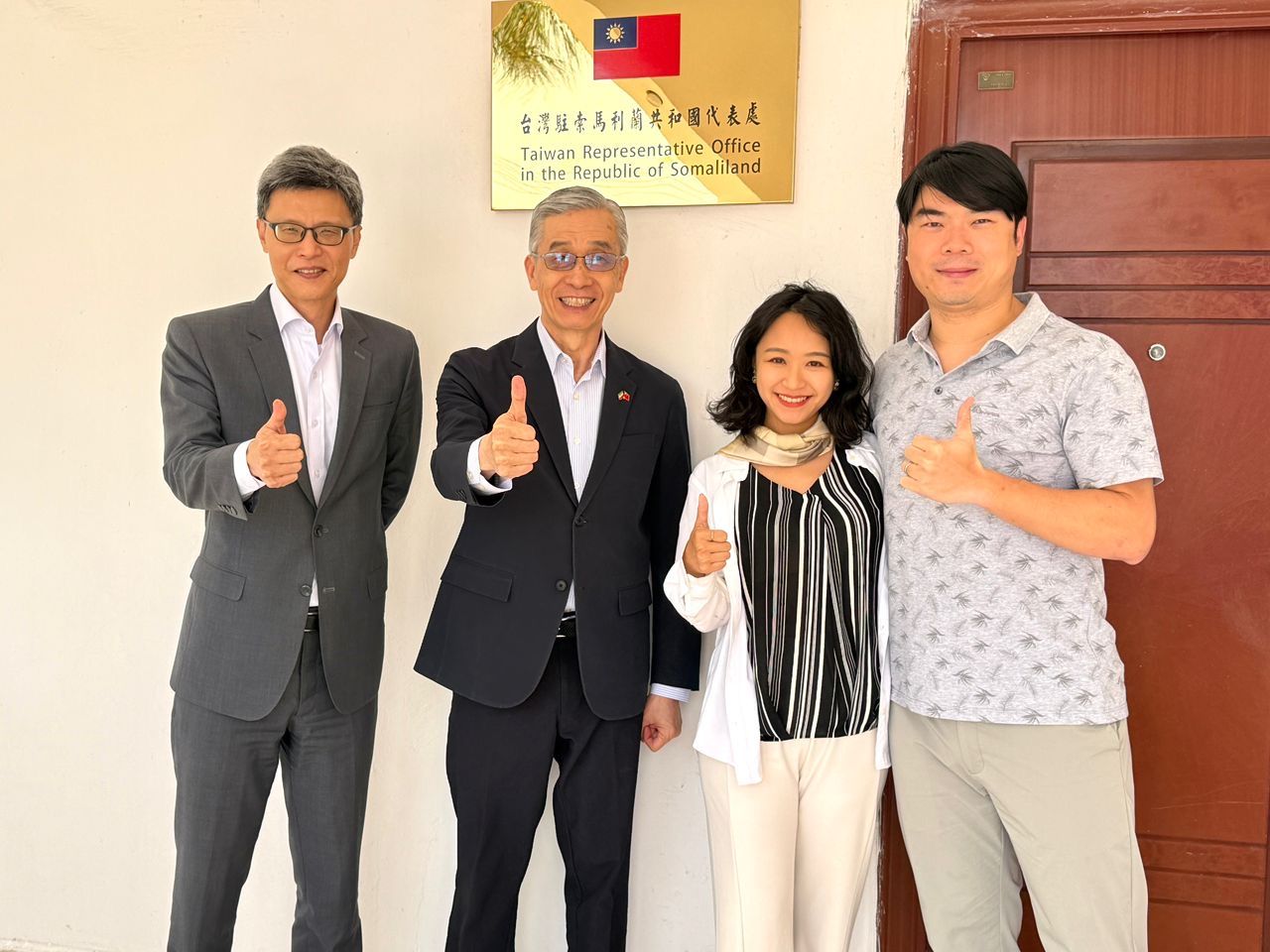
Far left: Counselor Lu. Second from left: Ambassador Allen Luo. Far right: founder of Kenbun Capital.
A story still being written
Somaliland is not a UN member, and most countries have not formally recognised it. But it has built a complete system of national governance, and it looks nothing like the region around it in terms of democracy, public safety and economic development.
Israel’s formal recognition in 2025 opens a new chapter in its international standing. Whether more countries follow will depend on African regional politics, on international law, on geopolitical strategy, and on how each country’s diplomatic interests evolve.
What is certain is this: a land at the mouth of the Red Sea, with thousands of years of trade behind it, is moving gradually from a blank space on the world map into the wider view of the international community.
見聞隨筆更多文章