
Frankincense
Frankincense: Desert Gold, God's Tears
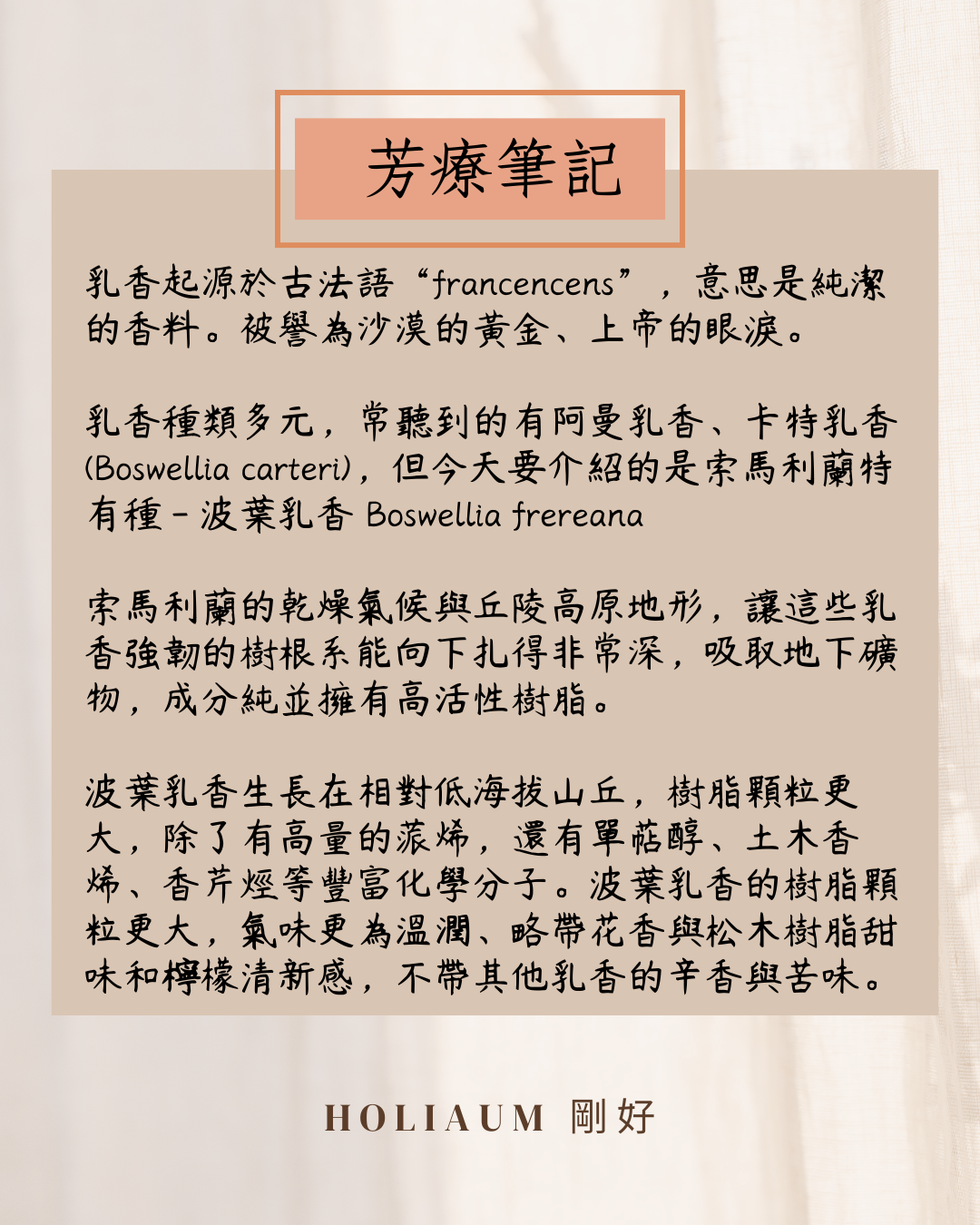
Frankincense originates from the Old French word "francencens," meaning pure spice. It is hailed as the gold of the desert and the tears of God.
It is one of the few plants that can appear simultaneously in the Bible, the Compendium of Materia Medica, and ancient Egyptian temples.
It is not remembered because it is rare and expensive, but because it spans the memories of religion, medicine, and human civilization.
The Bible records that at the time of Jesus' birth, the wise men from the East offered three precious gifts: gold, myrrh, and frankincense.
Ancient Egyptian pharaohs used it for sacred ceremonies.
The Compendium of Materia Medica also records the properties of frankincense, such as "protecting the heart, promoting blood circulation, relieving pain, and stretching muscles."
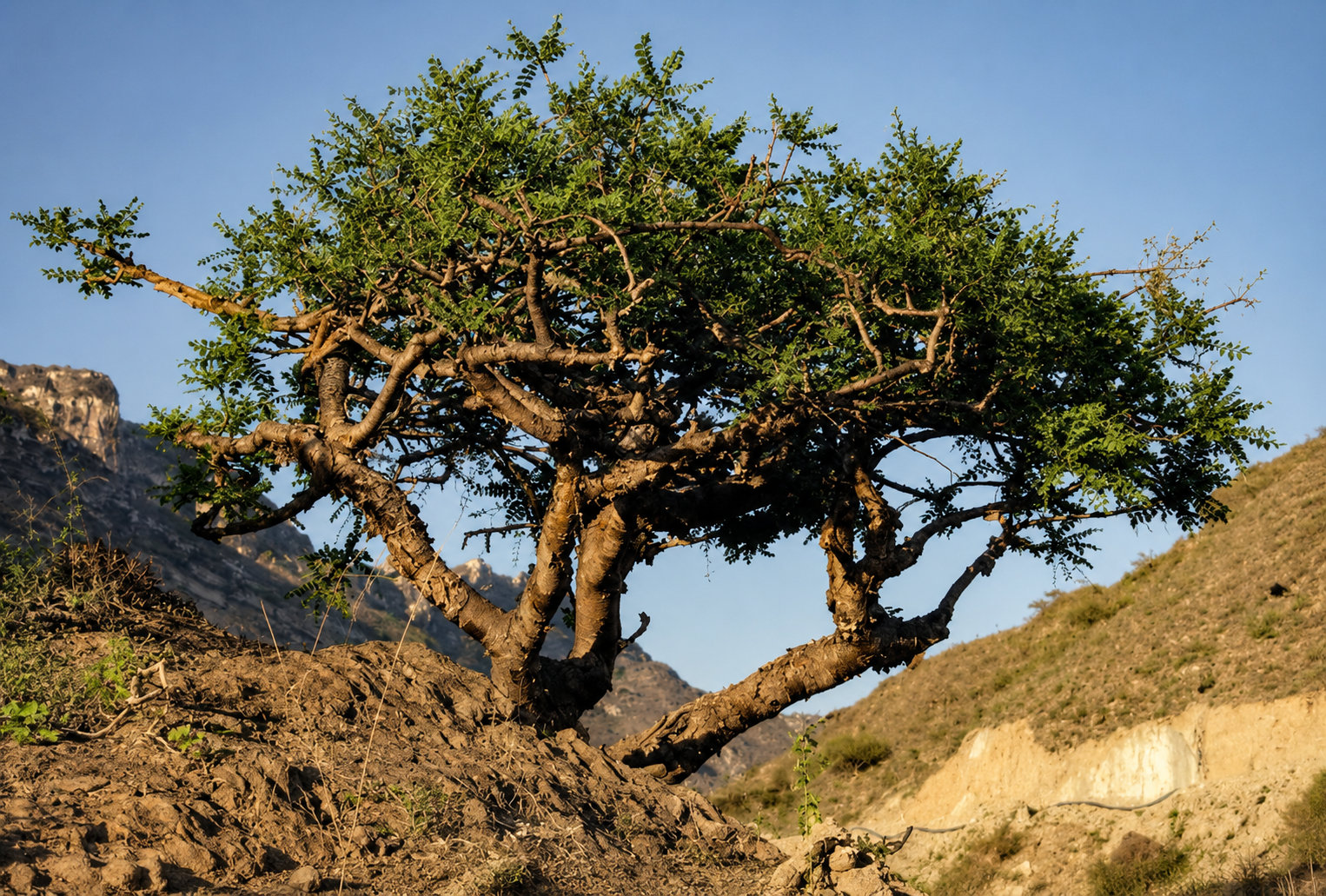
Frankincense grows in subtropical and tropical desert climates where it is hot and dry all year round and there is almost no rain.
Its aroma actually comes from "injury".
When the trunk of a tree is cut, it secretes resin in an attempt to repair itself. This resin slowly flows and solidifies, forming a fragrant balm. This is the origin of frankincense.
Due to the climate, long growing season, and harvesting methods required for frankincense cultivation, the frankincense tree is now an endangered species.
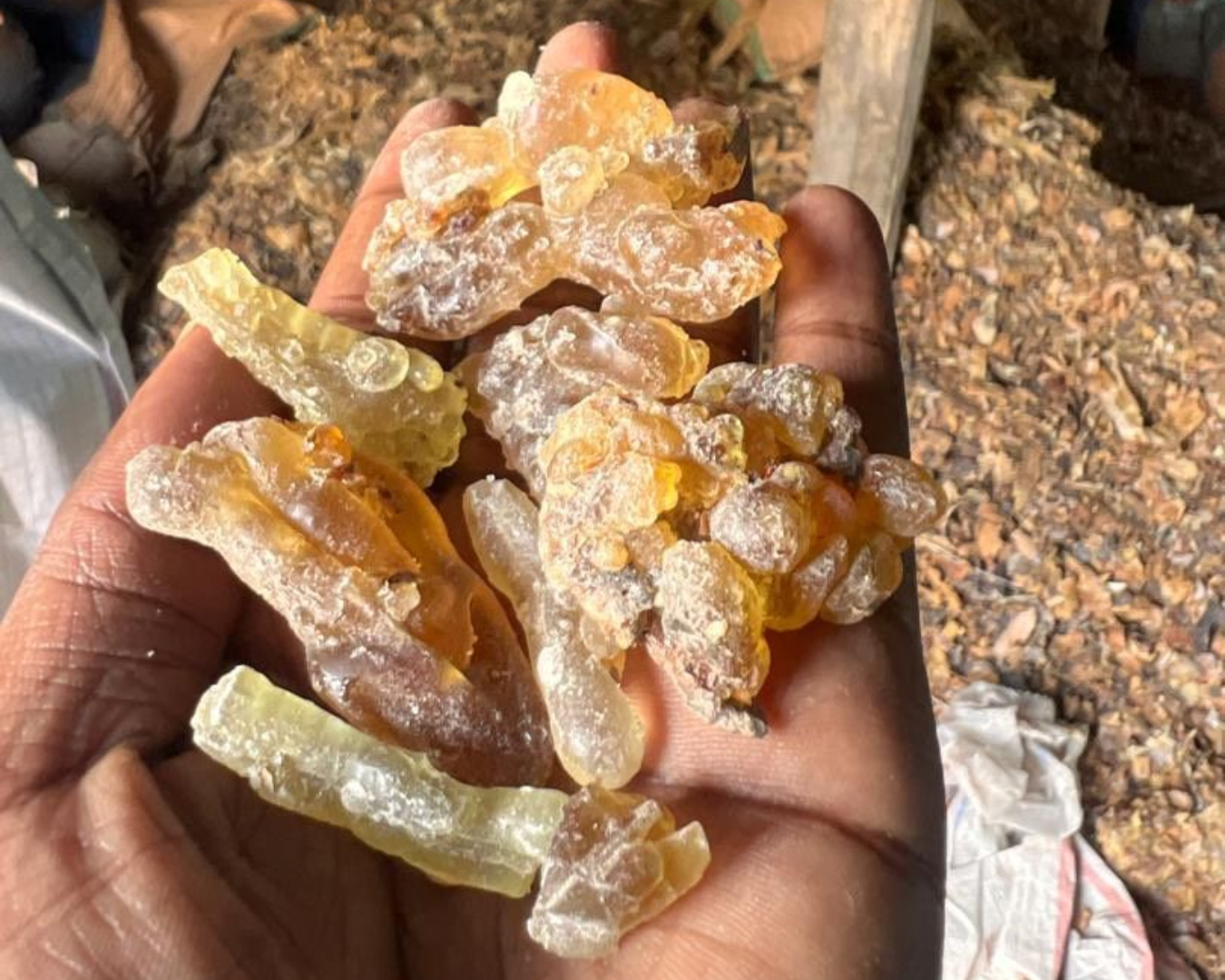
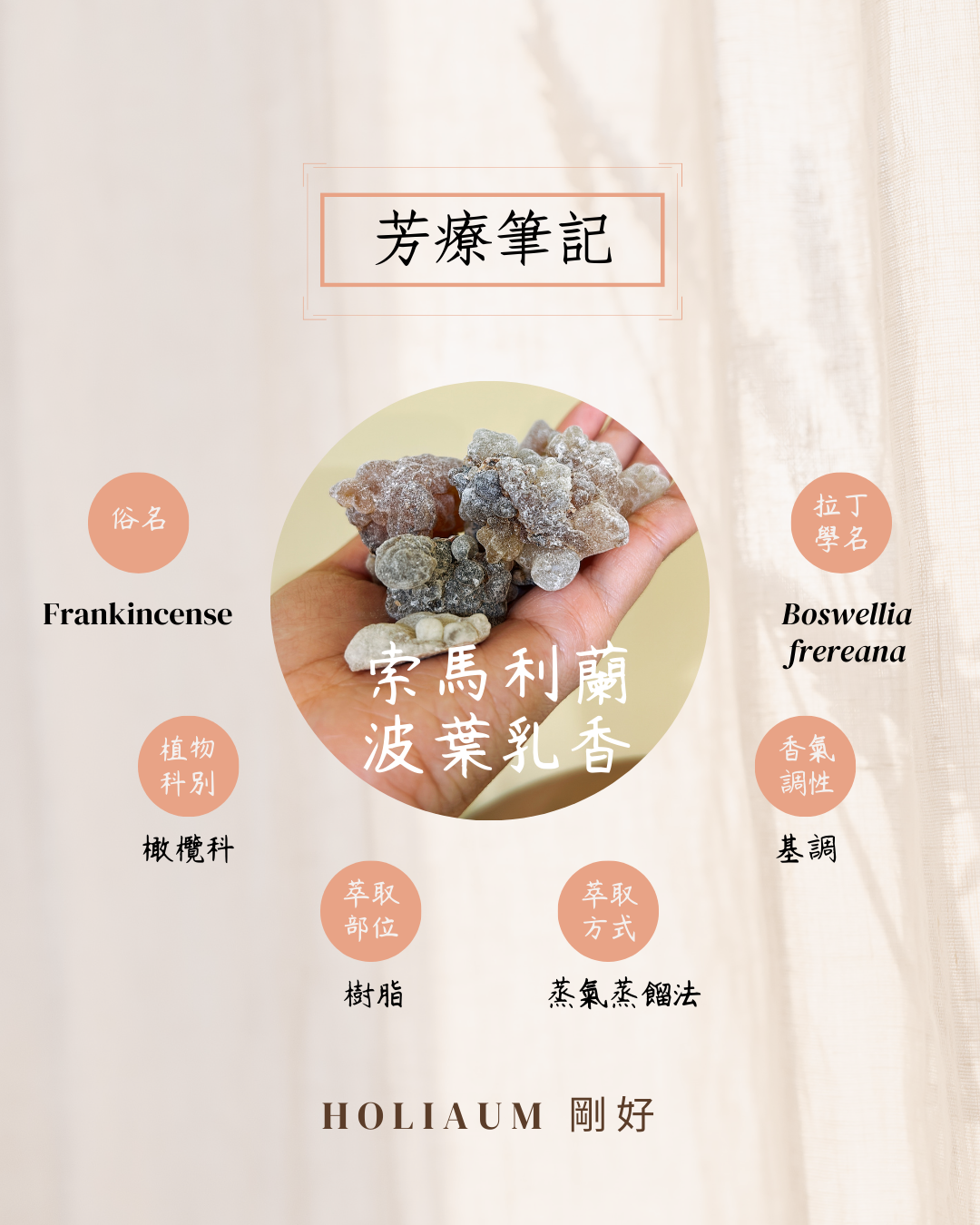
There are many types of frankincense, such as Omani frankincense and Carter's frankincense (Boswellia carterii), but today we will introduce a species endemic to Somaliland - Boswellia frereana.
The arid climate and hilly, plateau terrain of Somaliland allow the strong root systems of these frankincense trees to penetrate very deep, absorbing underground minerals and resulting in pure, highly active resins. Somaliland frankincense grows at relatively low altitudes, producing larger resin particles that, in addition to high levels of pinene, are rich in monoterpenes, arugulane, carvone, and other chemical molecules.
Compared to traditional frankincense, which has a richer, more spicy aroma,
Somaliland frankincense is warmer, with a hint of citrus and lemon and the calming presence of pine resin. It makes you want to take a deep breath and linger there.
Perhaps it was because they knew it came from a wounded tree.
That's why it smells like that.
It's like something that remains gentle even after going through certain experiences.
Somaliland, reportedly the last remaining wild, pristine frankincense forest.
This is why Holiaum particularly cherishes the local wild frankincense. They also collaborate with small farmers, cooperating amicably with seasonal harvesting to allow time for nature to recover.
Main functions of Boswellia serrata:
1. Antibacterial and anti-inflammatory: Rich in α-pinene and thujene, it has broad-spectrum antibacterial properties, can inhibit various respiratory bacteria, and reduce chronic inflammatory responses in the body. It can also be used for muscle relaxation.
2. Stabilize emotions and reduce stress: The fresh, woody scent can regulate sympathetic nerve activity, reduce anxiety and inner tension, and make emotions more focused and stable.
3. Meditation companionship, assisting in calming the mind and tuning the frequency: The aroma is calm and not heavy, making it suitable for beginners to use in daily meditation.
4. Clears the lungs and resolves phlegm: The high proportion of monoterpenes (approximately 80%) has the effects of resolving phlegm, relieving asthma, and dilating the trachea. It helps improve lung ventilation and relieve nasal congestion, and also has a good relieving effect on damp cough.
5. Skin-friendly and soothing, suitable for problem skin: Compared to other frankincense, Botrytis cinerea is less irritating and has excellent skin affinity. It can help balance sebum and promote skin repair.